

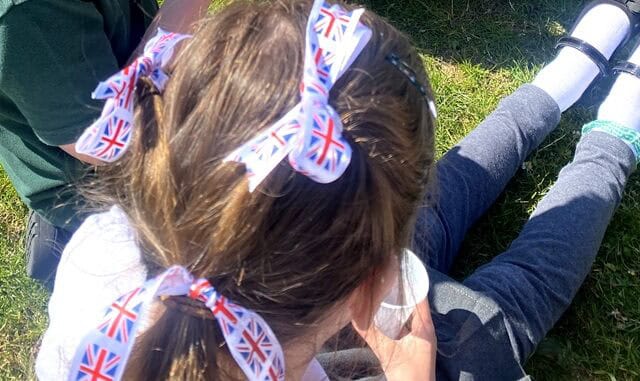
Dame Vera Lynn’s patriotic song ‘We’ll Meet Again’ set the tone for a thoughtful VE Day celebration at St Nicholas at Wade CE Primary.
Hundreds of young voices gave a spirited version of the melody that was so poignant and popular in wartime Britain as the school marked the 80th anniversary of the end of World War II in Europe.
A thought-provoking assembly gathering began the day’s festivities and set a reflective tone for celebrations.
Head Teacher Taralee Kennedy explained: “We believe it is vital for our young people to understand that our values and freedoms are a result of the endurance, resilience, and sacrifice of those who came before us.
“’We’ll Meet Again’ is such a song of hope and positivity that was a musical lifeline for so many – our children gave a rousing performance on this significant moment in history.”
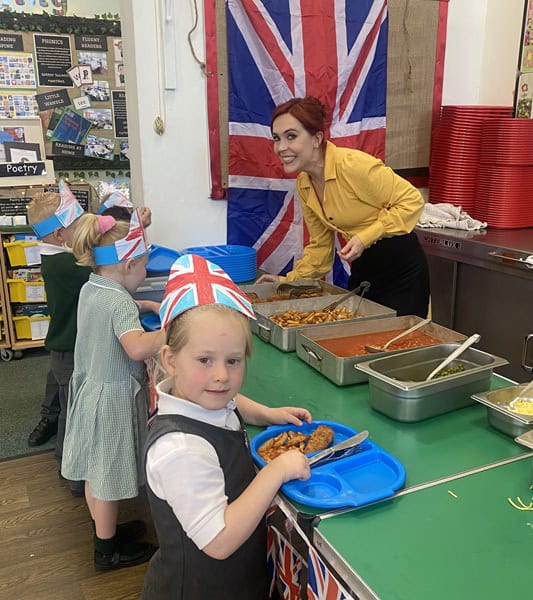
After a VE Day themed lunch in the hall, beautifully decorated with Union flags, the fun continued into the afternoon.
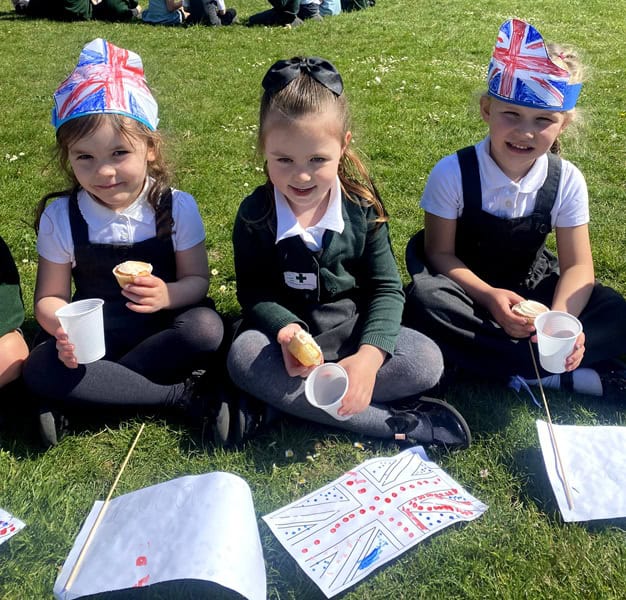
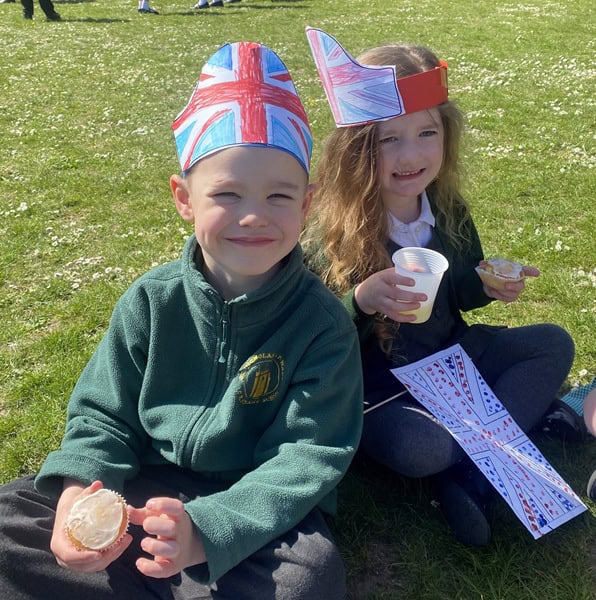
Children also enjoyed chatting with classmates and enjoyed cake and fruit squash on the playing field, with the cheerful sound of church bells ringing out from neighbouring St Nicholas at Wade Church in the background.
Mrs Kennedy added: “It was heart-warming to see how our children entered into the spirit of the day and understood the important message that VE Day celebrates.
“The atmosphere was reflective and positive, perfectly capturing a lovely community event for our school.
“It was our own little heartfelt moment to honour all those who gave so much for our country in the darkest days of wartime.”
*Dame Vera Lynn was an English singer and entertainer whose musical recordings and performances were very popular during World War II. She was known as the Forces’ Sweetheart, having given outdoor concerts for the troops in Egypt, India, and Burma during the war as part of the Entertainments National Service Association (ENSA). The songs most associated with her include ‘We’ll Meet Again’, ‘(There’ll Be Bluebirds Over) The White Cliffs of Dover’, ‘A Nightingale Sang in Berkeley Square’ and ‘There’ll Always Be an England’.
