

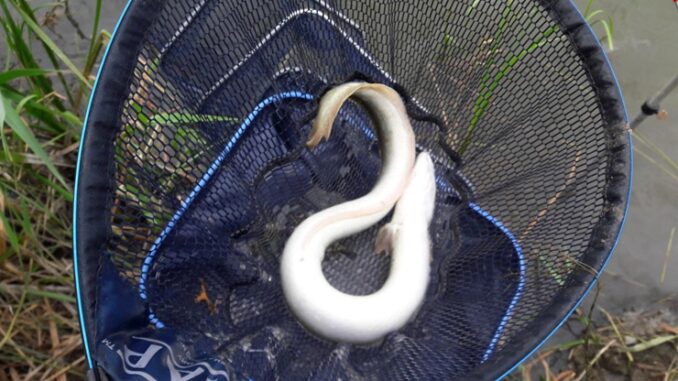
Kent Wildlife Trust has confirmed the presence of critically endangered European eels at Minster Marshes, a site currently earmarked National Grid’s proposed Sea Link project.
The charity says the discovery highlights the marshes’ ecological significance and amplifies concerns regarding the potential environmental impact of the development.
The European eel has experienced a dramatic population decline of approximately 95% since the 1980s, leading to its classification as Critically Endangered by the IUCN Red List of Threatened Species.
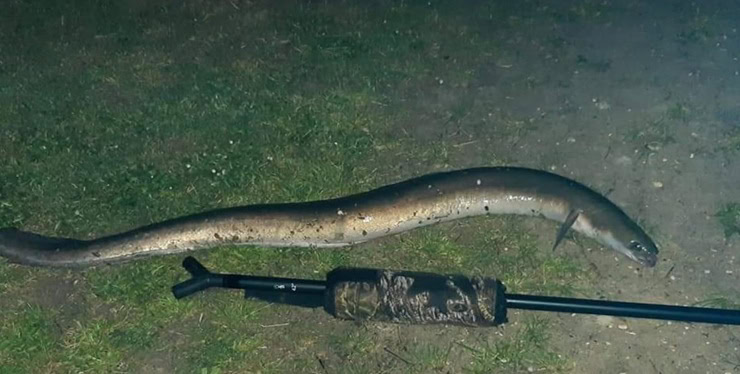
Factors contributing to the decline include habitat loss, barriers to migration, and overexploitation. European eels are also one of the world’s most trafficked animals, with an estimated 350 million glass eels and elvers (young eel stages) illegally smuggled out of Europe every year.
Minster Marshes provide essential wetland habitat that supports the complex life cycle of the European eel. Protecting wild spaces such as Minster Marshes is essential for this critically endangered species as the wetlands offer vital refuge, feeding grounds and migration routes.
National Grid’s Sea Link project involves the construction of a large electricity converter station on Minster Marshes, adjacent to the protected Sandwich and Pegwell Bay National Nature Reserve.

The development would result in the loss of 13.6 hectares of habitat. The project also includes installing approximately 130km of subsea cable making landfall through Pegwell Bay, an area with multiple statutory conservation designations.
National Grid has submitted a Development Consent Order for the Sea Link project. The Planning Inspectorate is reviewing the application to decide if it meets the required standards to move forward in the process.
If accepted, the application will be made public. At that point, Kent Wildlife Trust is asking the public to register as Interested Parties. The Save Minster Marshes campaign will be running workshops to guide people through the process.
The charity says it supports renewable energy, but not at the cost of wildlife. Kent Wildlife Trust believe the other options should be considered despite them being less cost-effective.
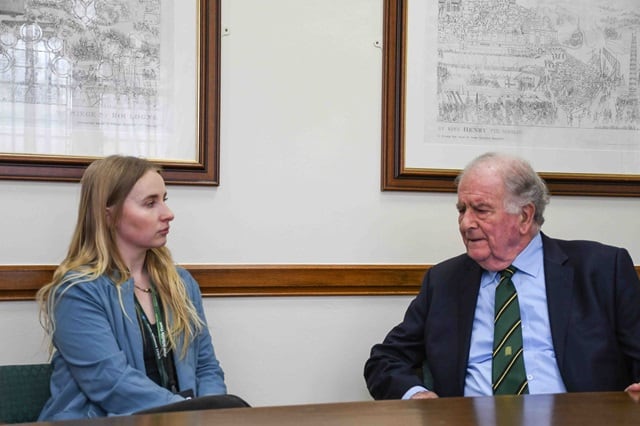
Emma Waller of Kent Wildlife Trust, who is leading the “Rethink Sea Link” campaign, said: “There appear to be several options for Sea Link, yet the current plans will cause significant disturbance to wildlife at a site with multiple statutory conservation designations that should be protected. Once this wildlife is lost, it is gone forever, so we would strongly urge National Grid to ‘Rethink Sea Link’ and consider the other options available.”
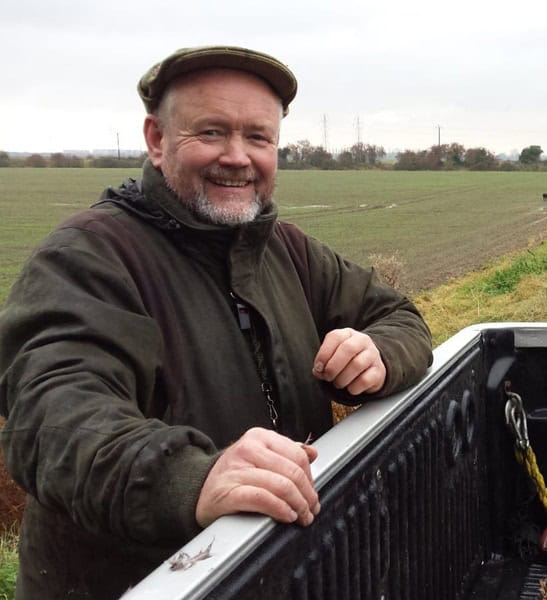
George Cooper of Save Minster Marshes added: “Discovering these endangered eels at Minster Marshes was no surprise; this habitat is a sanctuary for incredible wildlife. It is utterly disgraceful that National Grid plans to destroy this unique and irreplaceable ecosystem when viable alternatives exist.
“This isn’t about necessity; it’s about prioritising profits over people and nature. We urge everyone to stand with us, speak up for wildlife, and join our fight against this act of environmental vandalism.”
A National Grid spokesperson said: “We are committed to protecting wildlife throughout the development of the Sea Link project. As part of our planning application, we have conducted extensive ecological surveys, including fish surveys.
“Our Environmental Impact Assessment carefully considers potential impacts on local habitats and species, including protected species when present. The findings from these assessments have now been submitted as part of our Environmental Statement, which considers potential impacts on protected species and habitats, such as European eel. It also includes the proposed mitigation measures required to avoid or reduce impacts on these species.
“We will continue to work closely with environmental specialists and local stakeholders including Kent Wildlife Trust to ensure that all necessary measures are in place to protect habitat and enhance biodiversity in the area.”
If the application is accepted, the Secretary of State is expected to make a decision this year with construction then taking place, if granted, between 2026 and 2030.

🤣🤣🤣🤣🤣🤣🤣🤣🤣🤣🤣🤣🤣🤣🤣🤣🤣🤣🤣🤣🤣🤣🤣🤣🤣🤣🤣🤣🤣🤣🤣🤣🤣🤣🤣🤡
Right or wrong of building on the marshes,funny they suddenly found these eels .I remember when the Royal School for Deaf Children wanted to do some building work and over night a slow work was found halting the work
Did they come over by boat?? 🤣🤣
It would fit in with the story so much better if they were electric eels!
The eels would probably welcome some undersea heating from these cables if only they could speak rather than some Green Activists speaking for them