

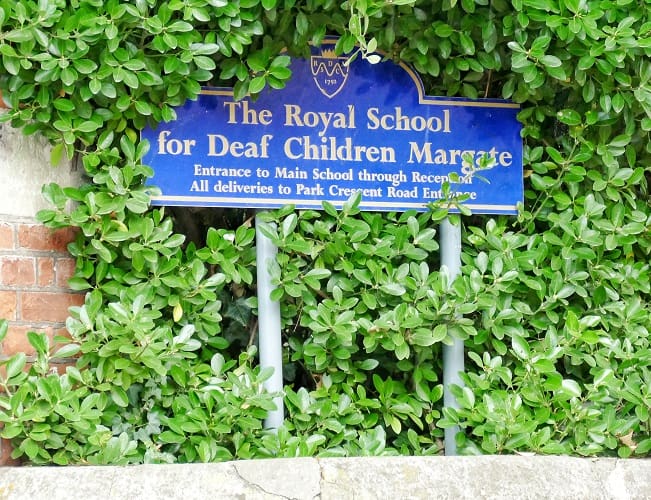
A project exploring the history of the Royal School for Deaf Children in Margate has been awarded £24,300 from Historic England.
The task is being carried out by people from deaf organisations alongside disabled-led arts and heritage production company 104 Projects.
It will produce oral histories and a documentary film.
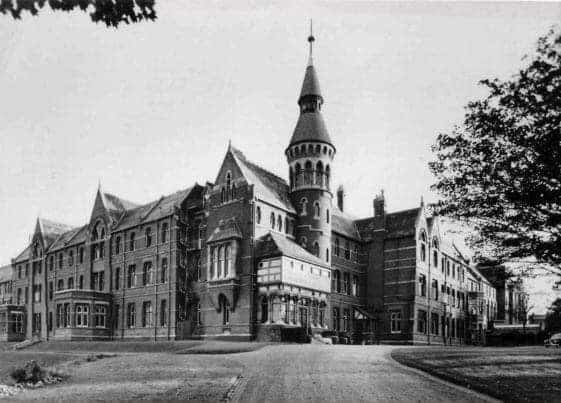
The school was England’s first public institution for Deaf children. It was founded in 1792 in London and later moved to Margate.
The school was shut down suddenly in December 2015 after The John Townsend Trust, which ran it, went into administration.
The distressing closure of the school and Westgate College resulted in some 500 job losses and scores of children left without a specialist school placement.
The land had been earmarked for a new secondary school but in December 2021 this proposal was ditched for a second time by KCC following discussions with the Department for Education over the forecast of reduced pupil numbers in the district.
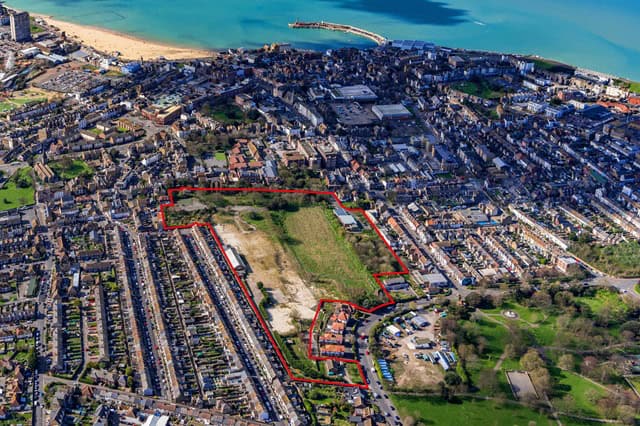
In 2022 the site was put forward by KCC for a potential 200 home development as part of Thanet council’s Local Plan review.
Kent County Council, which paid £6.8m (exclusive of VAT) for the land in 2020, put it on the market last year.
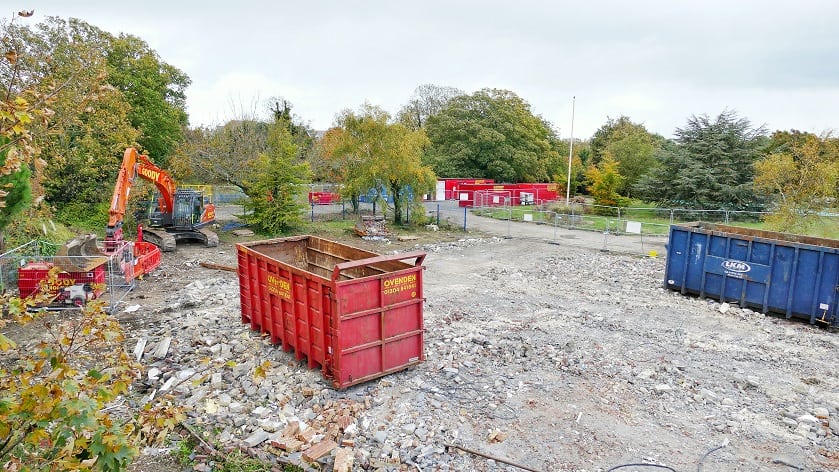
The school buildings have been demolished although the former cricket pavilion and swimming pool with adjoining garages, a timber shed, two, 2-storey dwellings and the hydrotherapy centre remain.
The site is waiting to be redeveloped.
Participants from local deaf organisations will investigate the history of the school and interview former students who now live locally to shine a light on what educational provision was like for working-class Deaf people.
The group will be guided by experts to learn research, oral history and filmmaking skills to celebrate voices from the Deaf community before the physical presence of the school disappears for good.
The project team plan to premiere the film at the Margate Film Festival in November and deposit the oral histories in Kent Archives.
The Margate’s Deaf Voices project is one of 30 programmes being funded by Historic England through its Everyday Heritage grants programme.·
Launched in 2022, the Everyday Heritage programme aims to celebrate working class histories. This time, projects have a focus on buildings or places in rural or coastal locations. The programme has already funded over 100 projects, totalling £1.8 million.
Duncan Wilson, Chief Executive, Historic England, said: Duncan Wilson, Chief Executive, Historic England, said: “Across England we are all surrounded by inspiring historic buildings, landscapes and streets, rural and coastal heritage. These projects will shine a light on the stories of local, working class people and their extraordinary contributions to our shared history.
“Connecting with our heritage helps us to feel that we belong and to feel pride in our local area. This programme gives communities the opportunity to recognise and celebrate their history in their own way, and to share untold stories about the places where they live so they can be enjoyed by more people, for longer.”
