

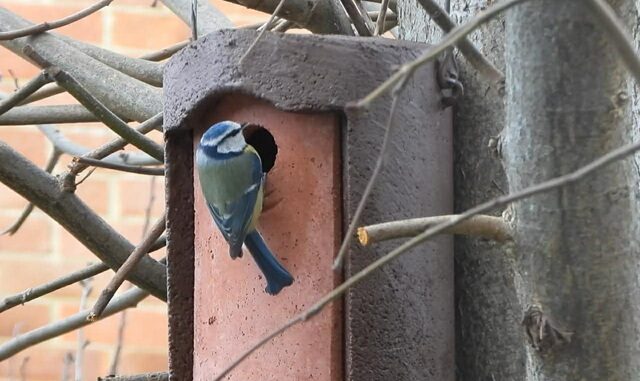
Love is in the air this month, as we glide through Valentine’s Day, we also hit National Nest Box Week (February 14–21).
It’s a perfect coincidence; while we are celebrating our own relationships, our birds are beginning their frantic search for a partner and, crucially, a place to call raise a family.
In Thanet, where natural nesting sites in old trees and hedgerows are increasingly scarce, our gardens act as vital sanctuaries. By installing a nest box now, you aren’t just adding a bit of garden décor; you’re providing a lifeline for the next generation of our local wildlife.
Finding the Perfect Match: Choosing a bird box is important firstly take a look what kind of birds are visiting your garden and then aim to install boxes to help those Birds—size and location are everything.
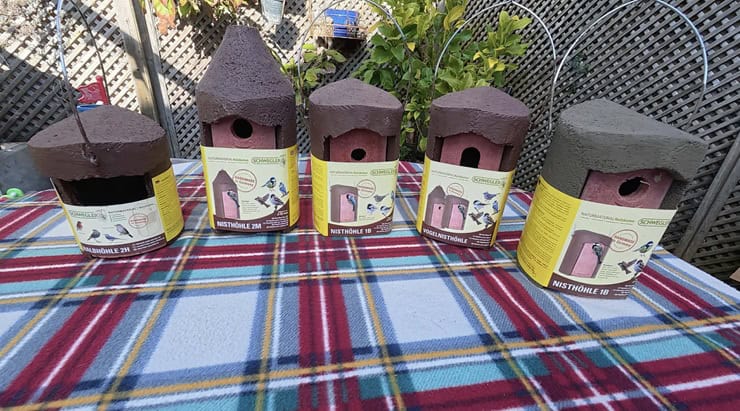
To help you pick the right nest box, here is a quick-reference guide to matching the bird to the box and finding the best spot to hang it.
25mm Hole: Best for Blue Tits and Coal Tits. Where to fix it: 2 to 4 metres high on a wall or tree. Face it between North and East to avoid the scorching midday sun and wet westerly winds.
28mm Hole: Best for Great Tits and Tree Sparrows. Where to fix it: 2 to 4 metres high. Ensure there is a clear flight path to the entrance so they can swoop in safely.
32mm Hole: Best for House Sparrows. Where to fix it: High up (3m+). Sparrows are social, so they love “terraces”—try hanging two or three boxes near each other under the eaves of your house.
45mm Hole: Best for Starlings. Where to fix it: High on a wall or tree. Starlings are on the Red List for conservation concern, so providing these larger boxes is incredibly helpful.
Open-Fronted (No hole): Best for Robins, blackbirds and Wrens. Where to fix it: Lower down (below 2m) and tucked away. These birds need privacy, so hide the box behind climbing plants like ivy, honeysuckle or a hedge to keep it out of sight from predators.
Quality Matters: Safety and Warmth
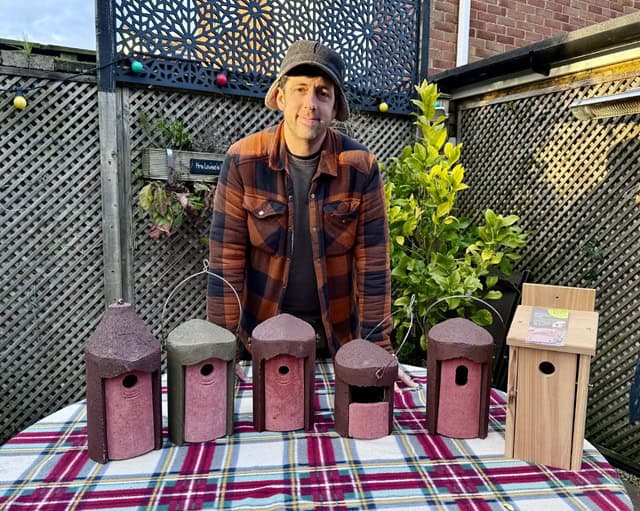
It is worth investing in a high-quality box. I’m pictured here with Schwegler boxes which will last a lifetime and our top quality, but you can also look for those made from thick, FSC-certified timber (at least 15mm thick) or “Woodcrete.” These materials offer essential thermal stability, acting like insulation to keep eggs warm during a spring frost and preventing chicks from overheating during a summer heatwave.
Also you can look for a box with a metal reinforcement plate around the entrance hole. This simple feature stops squirrels or woodpeckers from gnawing the hole wider to get at the chicks inside.
A Friendly Note to our Cat Lovers
We are a nation of animal lovers, However, it is a sobering fact that domestic cats are one of the biggest threats to our garden birds. In the UK, it is estimated that cats catch up to 100 million prey items over spring and summer, including around 27 to 55 million birds every year. Because birds are most vulnerable during the nesting season—especially fledglings that haven’t quite mastered the art of flight—there are a few small, friendly steps we can take to keep everyone safe:
The “Jingle” Warning: Fitting your cat with a collar and a small bell can give birds that vital split-second warning to fly away.
Mind the “Rush Hour”: Birds are most active at dawn and dusk. Keeping your cat indoors during these times, and overnight, significantly reduces the chance of a successful hunt.
The Nesting Window: If possible, try to keep cats in a little more often during the peak nesting months (March to July) when the garden is full of “clumsy” young birds.
A sturdy, well-placed box is the best gift you can give to Thanet’s birds this year.
Find good nest boxes at: https://www.livingwithbirds.com/nest-boxes/schwegler-woodcrete-nest-boxes

Fantastic great work every one should help wildlife