

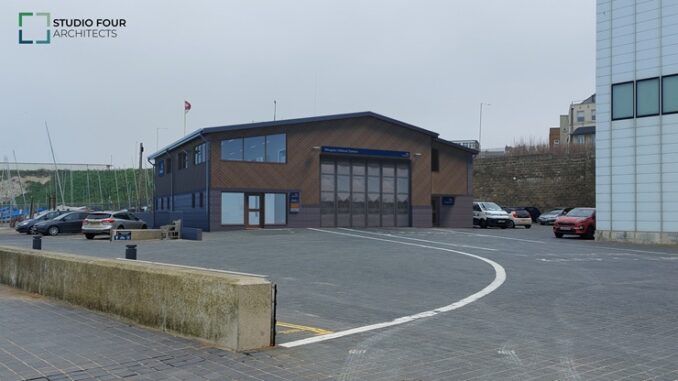
This September work will begin on a long-awaited £3.5m new lifeboat station for Margate RNLI.
The new build, on the same footprint as the current station with a slight extension, will provide modern crew training and changing facilities, aspects that have evolved enormously since the existing station was built in 1978, including now sharing the space as home to the seasonal RNLI lifeguards who provide cover on Margate main sands.
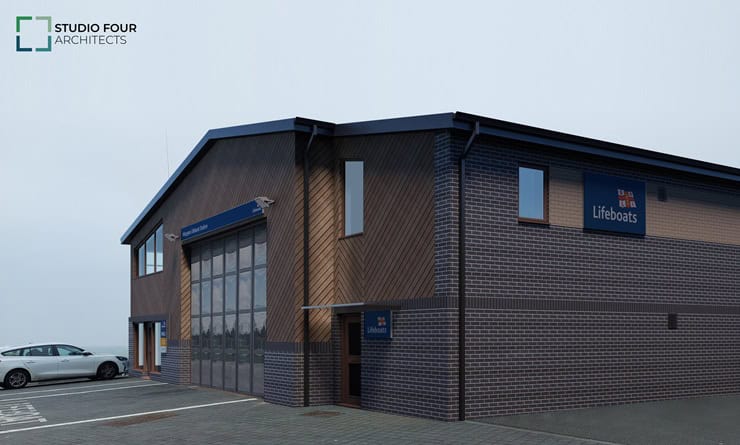
The new station will also include a new retail area for shop volunteers which will be at the front of the building, instead of the side, and will be some three times the size of the current space.

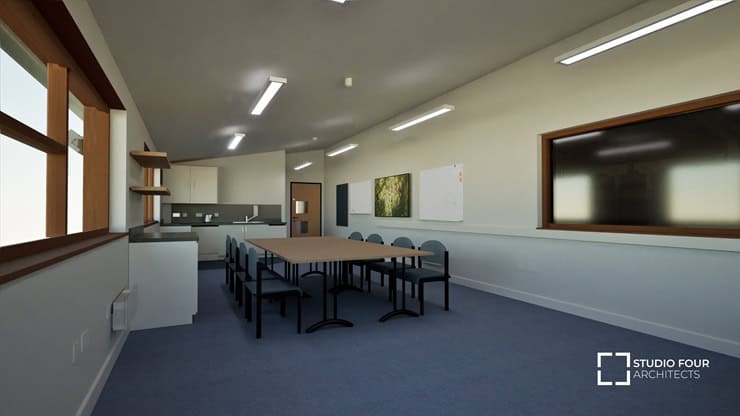
The building will have a meeting space which can be used by local community groups such as sea cadets and cubs and scouts as well as school visits. The room will also double up as an extra crew training room.
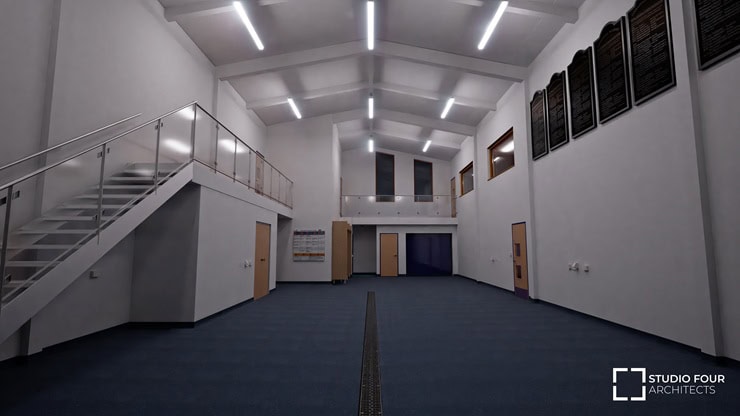
The site will not need any significant maintenance for the first 30 years. The design includes south facing solar panels and a ground source heat pump to minimise the carbon footprint and running costs.
Margate RNLI has been working to create a new lifeboats station for more than a decade. Initially a planning application was lodged for a new boathouse on Margate Main Sands but these were put on the backburner in 2016 amid numerous objections.
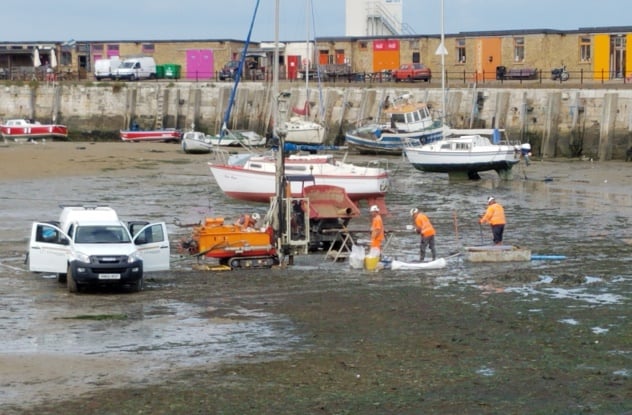
In 2018 exploratory works took place at Margate harbour with the suggestion of a new build to be integrated into the evolving harbour front and community.
Now, the plans are to stay at the promenade since proposals from Turner Contemporary to carry out expansion, including siting a 100-room hostel on the land adjacent to the gallery, have been shelved.
This meant a new long-term lease was granted for the Margate RNLI site and the new build can begin with the existing station being demolished.
The volunteer crew will be operating out of two nearby temporary facilities to ensure their lifesaving service remains operational. The D class (Alfred Alexander Staden) and B class (Colonel Stock) inshore lifeboats will continue without interruption.
Construction is expected to take 12 months and a six week commissioning and fit out period will follow where crews will return and familiarise themselves with the new layout and systems.
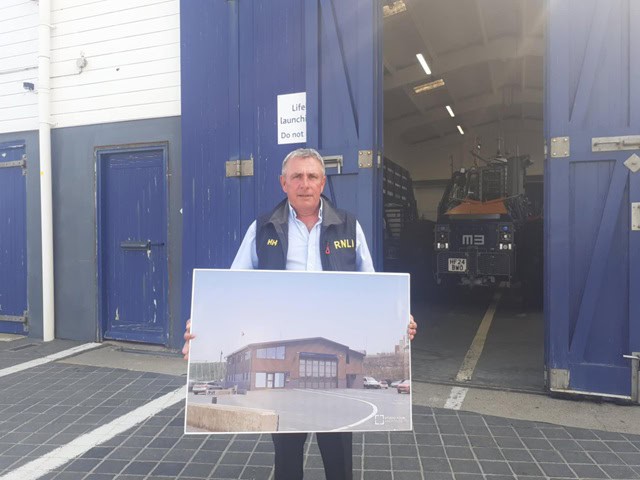
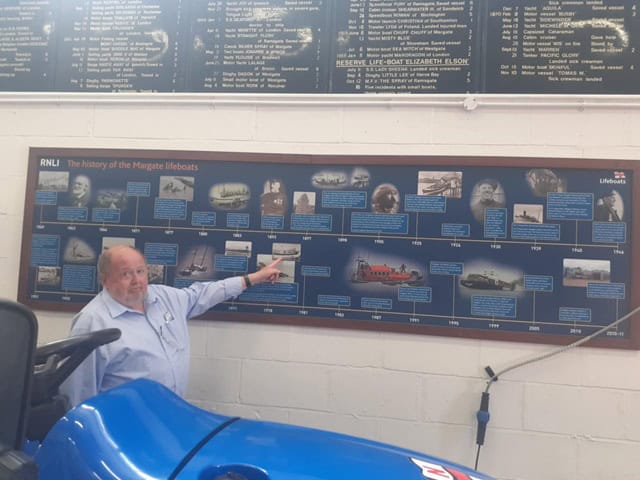
Derek Amas (pictured above), Margate RNLI Lifeboat Operations Manager, said: “We are looking forward to the new station which will provide a modern, safe and warm environment for our lifesaving volunteer crew along with new facilities for our volunteers in the shop, fundraisers, lifeguards and water safety teams.
“The new station will provide us with the capability to continue saving lives on Thanet’s beaches and off the north Kent coast well into the future.
“The RNLI and all those involved with Margate RNLI are committed to providing the best lifesaving service possible to all those who live in, and visit, Margate and all those who enjoy our beautiful Kent coast.”
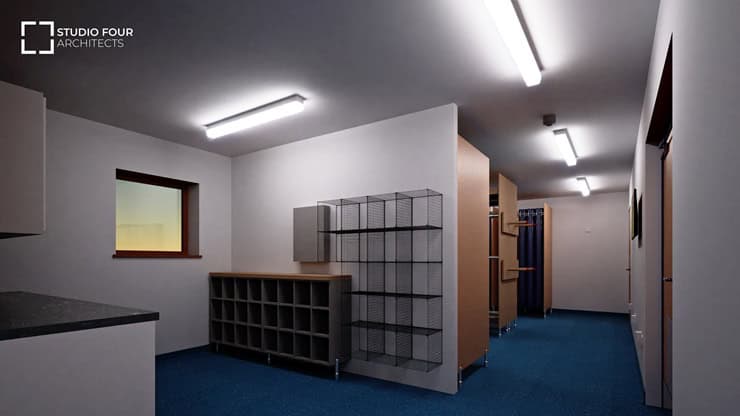
The public are invited to come along to the lifeboat station and inspect the plans for the new boathouse, see the lifeboats and meet the crew between 10am and 12 noon on Saturday 21 June and between 9.30am (when, operational circumstances permitting, the lifeboat will be launching on exercise) and 11.30am on Sunday 22 June.
The RNLI has launched a Capital Appeal to help reach the £3.5m target to fund the new station. The appeal is for the community to make a contribution to the charity’s ambition to provide the best facilities for the local volunteers in their mission of saving lives at sea.
Donations can be made at www.rnli.org/MargateAppeal
From Jetty to Rendezvous via a great storm
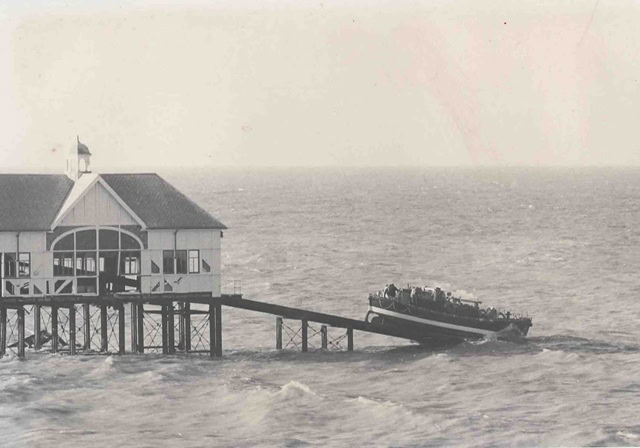
Margate lifeboat station has been operating since 1860. The existing station was built in 1978 following the collapse of Margate Pier.
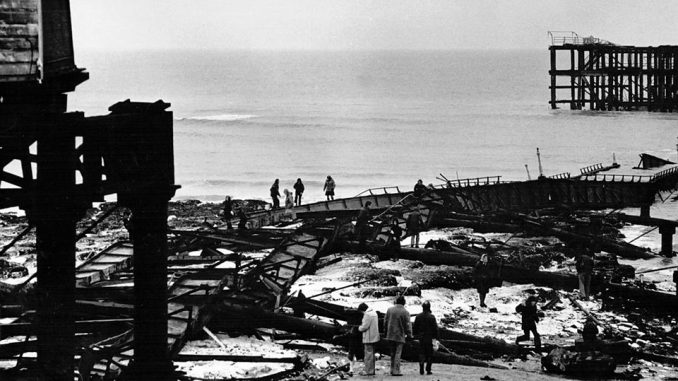
On January 11-12, 1978, a storm surge battered the east coast of England.
In Thanet Margate Jetty, also known as Margate Pier, was one of the casualties. The pier, designed by Eugenius Birch in 1856, had suffered damage from the sea over the years.
The jetty closed in 1976 on safety grounds but the structure survived until January 1978, when the surge destroyed much of the pier with planks washing up on to Margate beach.
It isolated the lifeboat station, which was still operating there while plans were completed for a new build ashore.
Following the storm the RAF air sea rescue Wessex helicopter from Manston, landed some of the lifeboat crew onto the station and after checking for damage to the lifeboat slipway, the boat was launched and taken to Ramsgate.
The replacement station at the Rendezvous promenade opened the same year.

i only hope the new lifeboat station design is not influenced by that huge eyesore nearbye the turner shed
Peter Checksfield, you are obsessed.
Nice one Mad World, another brilliant post.
Does someone look after you ?
If we had a new pier built then the life boat station could be incorparated into the pier like the old margate pier and the life boat could be launched much quicker saving time and lives and also saves time getting the boat back into its boat house…it would be good for the life boat service and a new pier for Margate which would be good for margate !!!
Notwithstanding that a new pier for Margate would be nice! When the lifeboat was on the pier we couldn’t launch at extreme low tides due to the water depth changing over time. Having launched, we needed reasonably calm weather conditions to rehouse the lifeboat back up the slipway. If the weather precluded this we would either lay in the harbour and be off service for roughly 12 hours in every 24 (and have to employ a watchman) or seek shelter in Ramsgate with the crew having to travel by taxis to respond and an hour (at 8 knots) to get to our own ‘patch’. With a tractor and carriage arrangement we can take the lifeboat to where the water is and apart from the very occasional weather restriction with the two inshore lifeboats can launch and recover at all states of the tide.
that comment is a bit rich from someone from norfolk ? even doctors have a code for people from norfolk = N.F.N normal for norfolk .