

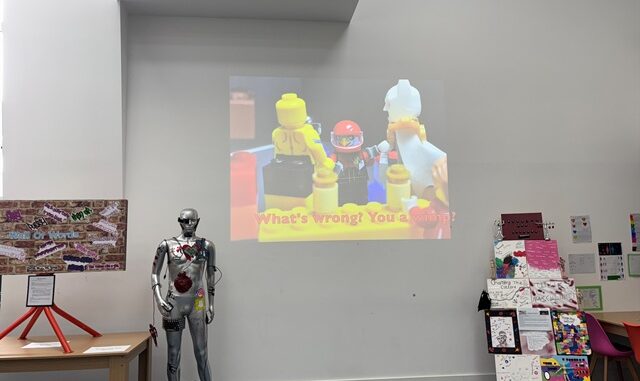
Liberty College, a Post 16 SEND college in Margate, has taken on a project to ‘Change the Culture’ after the release of the TV series Adolescence.
The powerful TV show gained publicity and media and prompted debates between families, friends and professionals.
Adolescence is inspired by real-life disturbing events and covers subjects like toxic masculinity, bullying, knife crime and misogyny.
Learners at Liberty College took part in a project where they watched the series and held open discussions around the topics covered in the show, giving a young person’s point of view and opinions around the areas covered. Learners spent the term carrying out research, holding debates and creating pieces of work to showcase in their college.
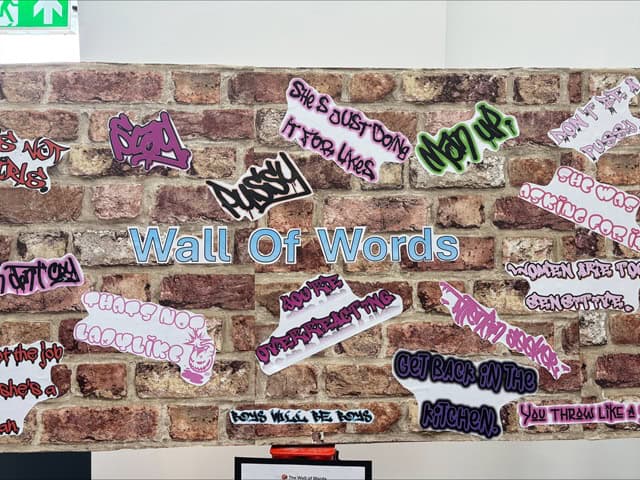
The Wall of Words is a piece of work created by the learners in Liberty’s construction group. Learners described their work as a powerful piece of art that blends practical construction with social reflection to create ‘A construction project with a message’.
The Wall of Words represents how words can build or break people and how the harmful language on one side of the wall is spun around and transformed to empowering words and affirmations on the other side.
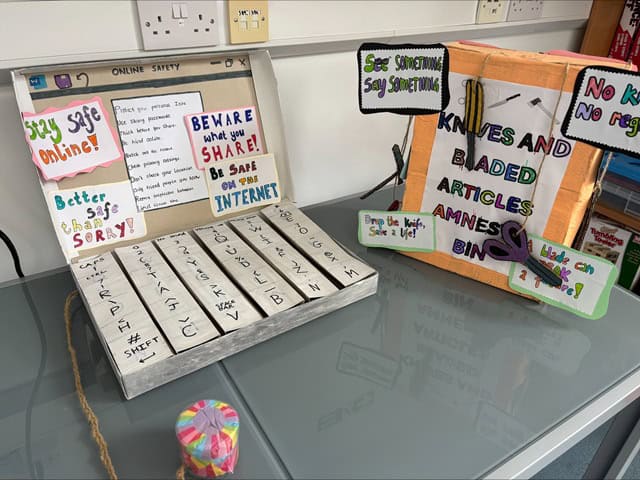
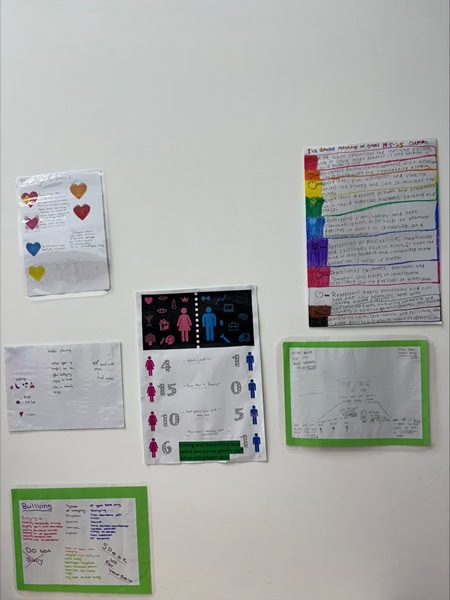
Liberty’s Life Skills group created a piece of work on the importance of online safety and the dangers of knife crime. Learners carried out research on how many knife bins are in Thanet and used positive prevention quotes and made a laptop which includes advice on how to protect yourself online.
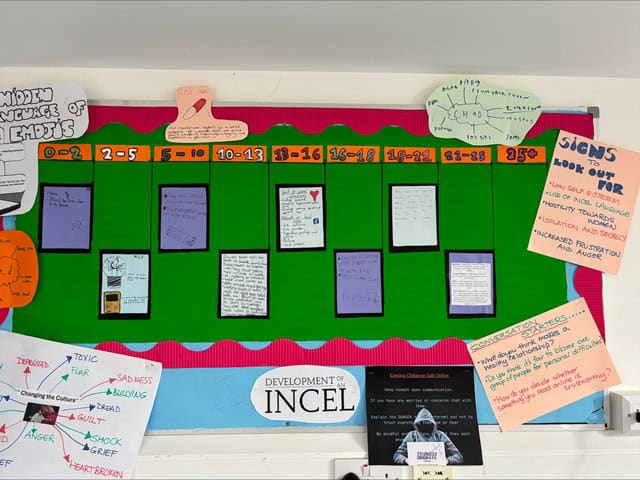
One of the Employability groups at Liberty looked into the ‘development of an incel’ and researched the hidden language of emoji’s such as ‘red pill, ‘blue pill’. Learners discussed what signs to look out for, for people who may be targeted into INCEL culture as well as discussing conversation starters that friends can have between them or for families to open up about the subject.
Liberty’s Health and Social Care group created mood boards to focus on the impact that a tragic event like the one in the show has on family and the wider community. Learners watched the series and discussed how each of the characters were affected or may have been feeling. The mood boards symbolise emotions from the characters and aim to raise awareness on how online radicalisation can impact young people and cause destructive outcomes.
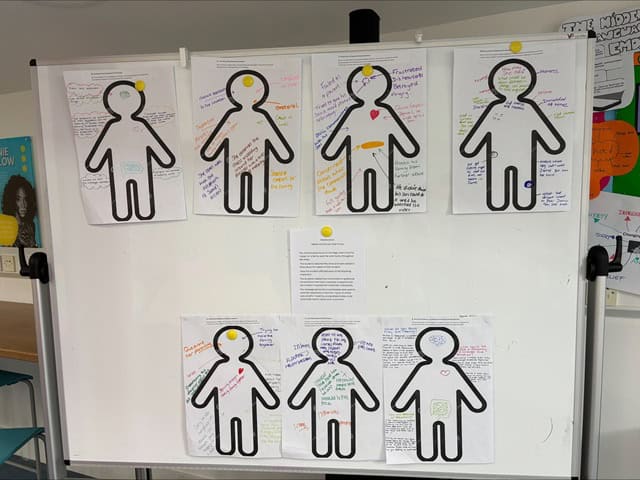
A recycled mannequin was used by another employability group, to create a striking impact representing humankind. Learners brainstormed all the themes of the series and added them to the mannequin as a visual representation of the challenges young people face and the damaging effects and consequences.
Learners were also given canvases to create their own individual pieces of work in response to themes raised. Smaller, artist mannequins were used alongside the large mannequin to represent the innocence of childhood and adolescence that is somewhat lost today’s society.
Jake, a Liberty student, said: “The right eye of our mannequin represents how we are always looking through the eyes of a lens and hardly ever experience life through our own eyes.”


Stop motion films were created by the Creative Arts group to demonstrate healthy relationships and what they should look like. Learners created short, powerful, stop motion films to compare relationships and show what healthy relationships look like in different forms, from partners, professionals and peer pressure.
The Hair and Beauty group researched areas of the show such as bullying and the meaning of emoji’s. They then related the project back to their vocational studies and discussed stereotypes and carried out research on gender roles in the local salons.
A Liberty College spokesperson said: “This has been an exciting project for staff and learners to carry out and has provided the opportunity for conversation starters and recognised the importance of open communication and support for young people.
“It has been a great opportunity to educate both young people and adults in the always changing online world. Liberty College is proud of everyone involved and at their enthusiasm, maturity and creativeness for the project.”
