

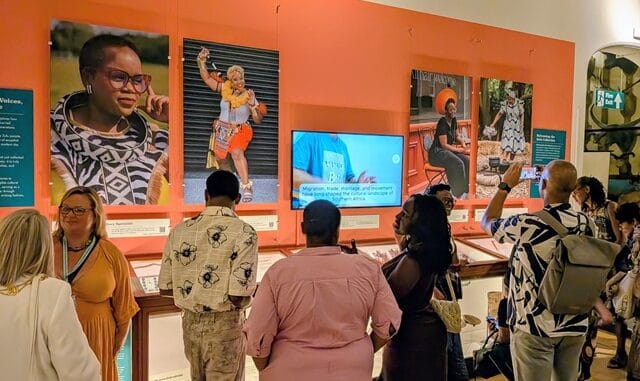
A new permanent exhibition at the Powell-Cotton Museum aims to uncover the meanings and stories within objects which have been held in its collections for nearly a century.
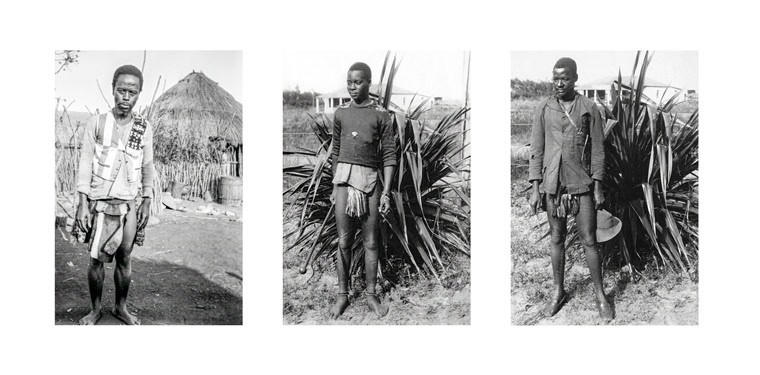
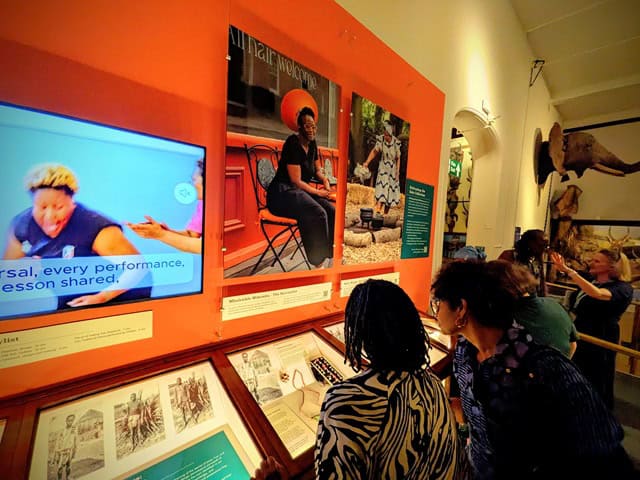
Reframing the Zulu Collection builds a rounded portrait of the people whose personal belongings were collected by museum founder Percy Powell-Cotton and his daughters when they visited Zululand in 1935.
A journey between past and present, curated in close collaboration with the Museum’s Community Advisory Team and consultants from Zulu and Northern Ndebele heritage backgrounds, the exhibition explores the vitality of contemporary Zulu life in the UK and KwaZulu-Natal in South Africa. It also reflects the distinct identities, languages and traditions of the many neighbouring communities in Zimbabwe; while the Ndebele, Shona, Venda, Tswana, Sotho, Tonga, Kalanga, Nambya, Ndau, Shangani (Tsonga), Chewa, Chibarwe and Xhosa communities share long-standing connections with the Zulu people, they remain distinct peoples.
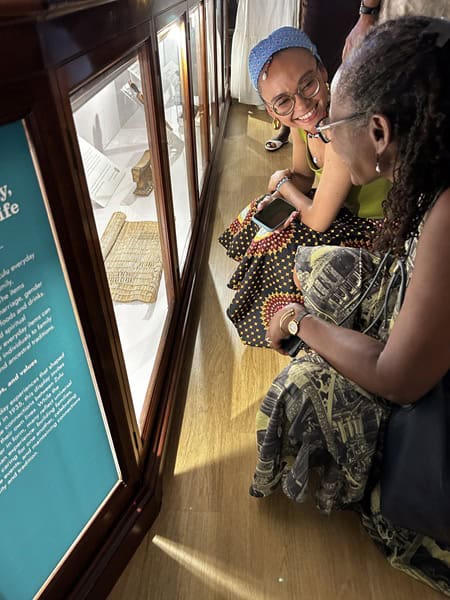
From the collection of around 875 Zulu-related objects, 25 have been brought to the fore. Items whose original descriptions reflected only the knowledge and perspectives of Victorian explorer and hunter, Percy Powell-Cotton (1866-1940), have been freshly interpreted to highlight the lives, cultures and beliefs of communities whose histories and traditions are centuries old.
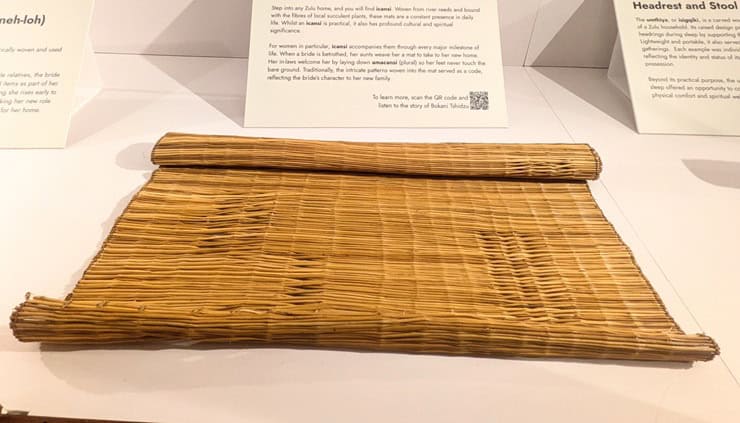
Among these are Zulu beadworks – beautiful items whose every colour and shape is carefully chosen to communicate emotions from one person to another; and an icansi, a reed mat, a precious possession for a Zulu woman when she enters into marriage and which accompanies her through every major milestone of her life.
Among the exhibition’s themes:
More Than Warriors: Reframing Zulu Lives highlights the Zulu men who played an instrumental role in Percy Powell-Cotton’s journey through Zululand, looking beyond the well-worn Zulu warrior image to give an insight into family life, responsibilities and experiences.
The Language of Zulu Beadwork reveals the hidden messages, symbolism and cultural significance woven into the vibrant beadwork traditions of the Zulu people.
Stories of Marriage, Family and Everyday Life – discover what daily life was like for Zulu people, including family life, marriage, and sharing meals together.
Contemporary Voices, Living Heritage shows how Zulu traditions and heritage are still alive today and how they are being passed on and reimagined by new generations.
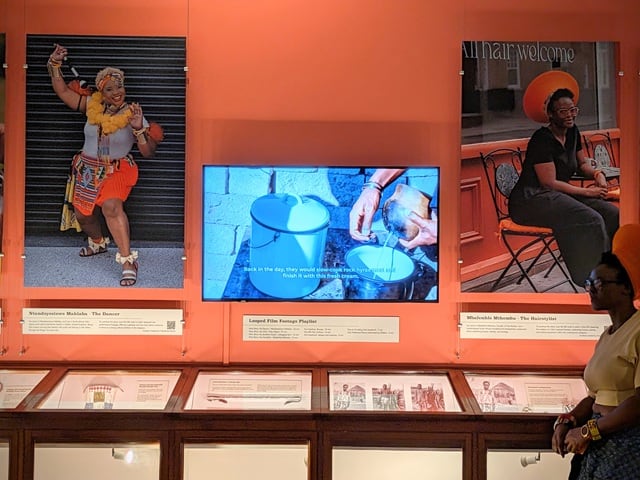
Dr Rachel Gefferie, Curator of Material Culture at the Powell-Cotton Museum, said: “The museum’s collection has been transformed from a record of colonial encounter into a fascinating opportunity for sharing knowledge and renewed understanding.
“The exhibition will challenge the ways in which museum displays and previous collecting practices have portrayed Zulu people and African cultures as exotic, primitive and subservient to colonial visitors.
“It will reveal the hidden depths of objects which had originally been recorded as a group of unfamiliar artefacts. The permanence of the exhibition ensures that these new perspectives remain part of the Museum’s story for years to come.”
Museum Tickets: Adult (17-64) £9.00; Concession (65+, Student, Disabled) £8.00; Child (4-16) £7.00. 10% discount for Powell-Cotton Museum and Quex House & Gardens Members.
Opening hours: Fri-Sun: 11am – 4pm; Mon: 11am-4pm (Bank Hols only); Tue: closed; Weds & Thurs: 11am-4pm (school holidays only).
An online version of the exhibition is available via the Bloomberg Connects app. Full information at www.powell-cottonmuseum.org
For more information: https://powell-cottonmuseum.org

Collected or stolen