

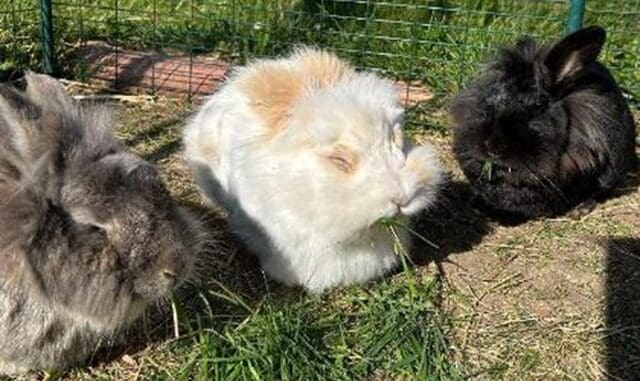
Three rabbits are hoping to have a change of fortunes this International Rabbit Day (26 September), after spending two years in RSPCA care.
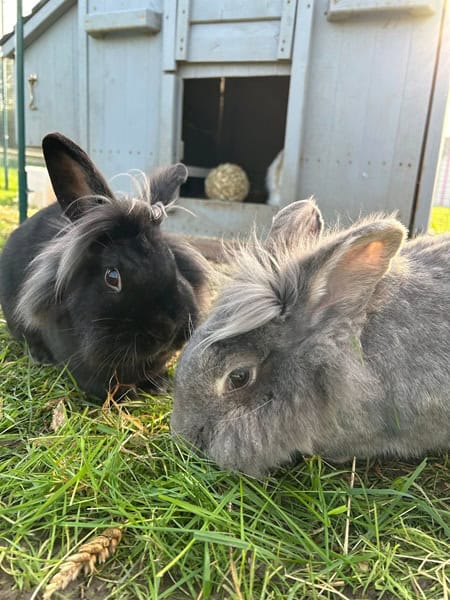
Chestnut and her two children Acorn and Conker arrived at RSPCA Thanet and District Branch on 4 November 2024, having already spent some time in private boarding.
Four-year-old lionhead rabbit Chestnut was rescued from a neglect situation and gave birth in RSPCA care.
Hannah White, Animal Centre manager at the branch, said: “We can’t understand why they’ve not found their forever home, they’re super friendly, big foodies and happy to be groomed. Acorn does need a bit more maintenance, especially in the summer months. But she’s incredibly tolerant and used to having a trim.
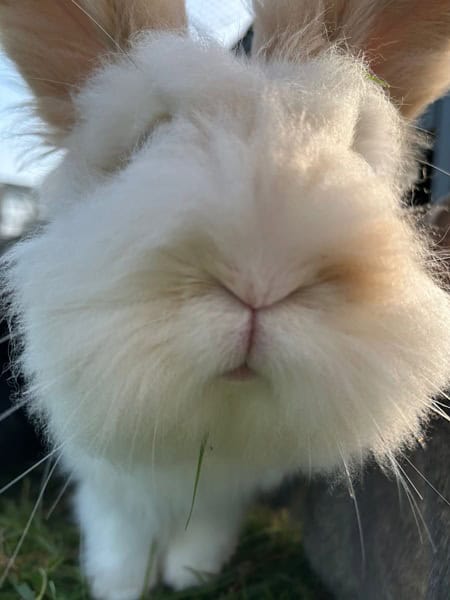
“They come as a trio so need the space to accommodate. But we’d love nothing more than to find them their forever home together – especially with it being International Rabbit Day this week!”
It is estimated that around 700,000 rabbits are kept as pets in the UK, yet they remain among the pets most vulnerable to neglect and poor welfare – largely due to common misconceptions about their welfare needs.
In recent years, the RSPCA has supported a campaign by the Rabbit Welfare Association and Fund (RWAF) calling for a breeding amnesty in a bid to curb the rise in abandoned and mistreated rabbits.
Between 2021 and 2025 RSPCA national centres took in 10,943 rabbits, rescued from cruelty and neglect. This included 265 rabbits rescued from multi-animal households in 2025, a 20% increase on the year before. While numbers of rabbits being abandoned and taken into care at RSPCA centres have fallen in recent years, the charity is still left with large numbers of rabbits that need rehoming.
Of all small pets, rabbits are the most likely to be abandoned, with the RSPCA dealing with 896 abandoned rabbits between 2024 and 2025. In a similar period 262 guinea pigs, 187 ferrets and 168 hamsters were dumped.
RSPCA Scientific and Policy Officer Eloise Dicks says one of the reasons why rabbits face so many problems is that their breeding is not properly regulated.
She added: “People don’t think about where the rabbits come from and we need more public awareness about this. There is a lack of regulation around the breeding of rabbits.
“For example, lionhead rabbits like Chestnut, Acorn and Conker have a distinctive head of hair – which is actually caused by a genetic mutation. As a result potential adopters must know they may need more regular grooming than short-coated rabbits. They are also flat-faced (brachycephalic), and may be more susceptible to eye and tear-duct issues.
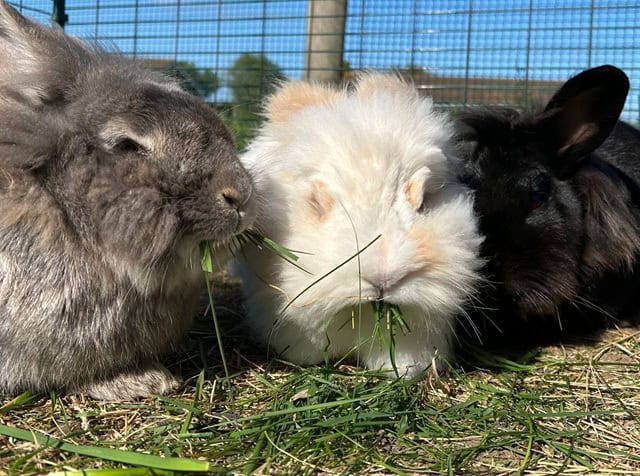
“Rabbits more generally are one of the most misunderstood animals and we need to address this so that owners have the information at hand to meet the welfare needs of their pets and that includes housing rabbits in properly sized accommodation , providing a well-enriched, safe and secure environment, with an appropriate diet made up of around 85% fresh grass or hay, supplemented with leafy greens and a small portion of good-quality nuggets.”
Prospective adopters can visit the charity’s Find a Pet website to see rabbits looking for forever homes, currently in RSPCA care.
They can also contact RSPCA Thanet Branch directly to find out more about Chestnut, Acorn and Conker
More information about keeping rabbits is available on the RSPCA website.

Leave a Reply