

By Anna Patton
The CEO of Age UK Thanet says this summer’s extreme temperatures “without a shadow of a doubt” brought more risks to the older and vulnerable people they work with.
Vanessa Wood, who heads up the charity which provides services for people aged 55 and over, says they have seen a notable increase of clients being admitted to hospital in recent months, often resulting in patients requiring social care, moving into residential homes, or “sadly, passing away”.
This week the Met Office announced 2026 officially saw the UK’s hottest summer on record, and the UK Health Security Agency estimates there were 2,877 heat-associated deaths during May and June 2026 – almost double the 1,504 excess deaths in summer 2025.
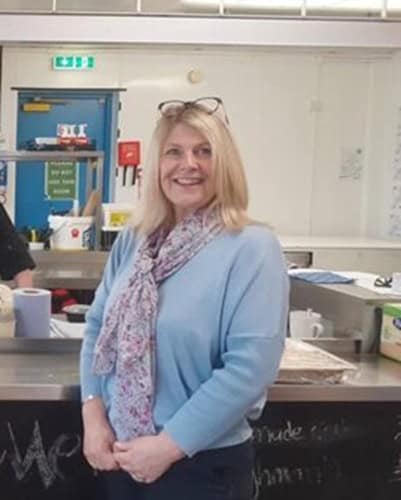
While hot weather has always brought risks for old and vulnerable people, Vanessa (pictured) said this summer has “without a shadow of a doubt” been more severe than before, with persistent high temperatures making some clients “very ill”.
Housebound people are especially vulnerable. On one recent visit to deliver a meal and check on a client’s wellbeing, Age UK staff found the person had collapsed with heat exhaustion. “They’d been there for five days… lying on the floor with no food and no water,” Vanessa said, adding that the person had survived thanks to her team’s intervention.
Dehydration risk
Sandra Muirhead, a nurse and executive director at Thanet Health CIC, which provides a home visit service on behalf of the NHS, said their callouts did not appear to have increased this summer, although elderly patients have reported struggling in the heat.
Dehydration is the main concern in hot weather, she added. Older people tend not to drink enough water year-round, and conditions such as dementia make it harder to notice heat or thirst. Respiratory, heart and kidney problems can be worsened by heat and dehydration.
Vanessa is also concerned about dehydration. Her clients often stop drinking in the afternoon, to avoid the risk of a fall when getting up at night for the bathroom.
Isolation
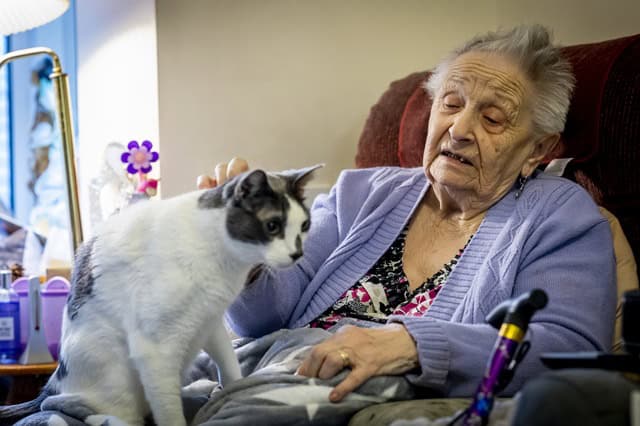
Health issues are multiplied by other trends. People are now less likely to know their neighbours or have family living nearby, said Vanessa. “We support a high percentage of people who are living completely on their own and have nobody.”
Her clients are often “very stoic” and reluctant to ask for help, she added. Very hot weather deters people with existing health concerns from leaving home to seek support, yet around 70% struggle to access online services. This is a “massive barrier”, since GP surgeries, as well as banks, housing providers and utility companies increasingly require customers to go online to report issues or get help.
Vanessa said: “So they are sitting at home, becoming more isolated and lonely.”
Partnerships
Age UK Thanet supports around 300 people each day and aims to support all aspects of a person’s life. “It’s very much a holistic approach, working together with statutory services – we are the people that go in [and take] preventative measures, on a daily basis,” said Vanessa.
She highlighted successful partnerships with the Invicta Health hub in Broadstairs, through which her team signposts patients to services such as memory tests; and with Kent and Medway Talking Therapies, which is ensuring mental health support.
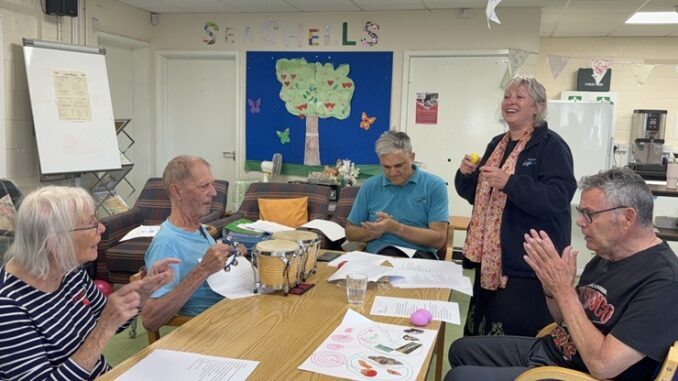
Patricia Vella-Burrows, a former nurse specialising in long-term conditions including dementia and Parkinson’s disease, said regular opportunities for older people to get out, socialise and take part in creative activities were vital for wellbeing, confidence, and a sense of belonging.
Patricia is co-founder of Kent-based Music4Wellbeing, which welcomes people with limited mobility, dementia and Parkinson’s to its wellbeing sessions, with several regular sessions in Thanet.
Very few of their venues have air conditioning and weather extremes – whether very hot, cold or wet – affect attendance. “Often people say to us, ‘you’re the only people we see all week’, so when they miss a session, it impacts their lives considerably,” she said.
Funding
Living conditions are another challenge. Many older people live in homes with poor circulation and no outside space, said Sandra Muirhead, and they may not be able to afford an efficient fan.
Age UK Thanet lost 60% of its own funding earlier this year, and it is “very hard” to continue delivering the extensive, holistic support that people need.
Vanessa said: “We can’t run on thin air.” Some of its services require clients to pay a fee.
Winter risks
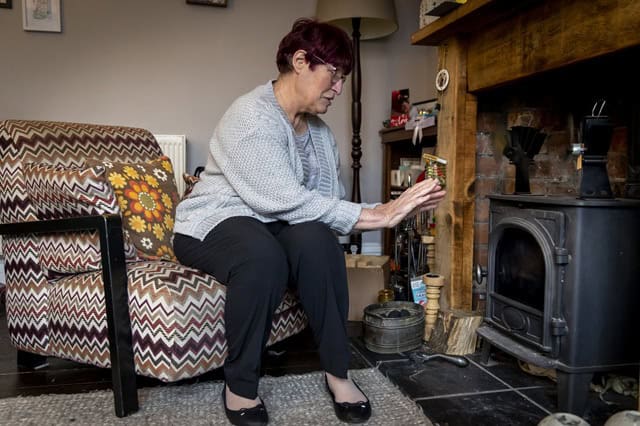
She warned that the colder months can be just as tough. She is concerned about a potentially harsh winter ahead, adding: “We’re still in a massive cost of living crisis, and people will choose between eating and heating.”
The UK Health Secretary Yvette Cooper recently told the NHS to start planning for heatwaves in the same way it currently does for winter crises, highlighting health risks for the elderly, young children and people with existing conditions.
Age UK Thanet is based at the Millmead Community Centre in Margate.

Age UK are a very worthwhile service provider. It’s shocking that their funding has been cut by 60%, when demand is growing for their services. A genuinely required charity in today’s society.
Yesterday I was in Venice with a group ranging in ages from mid forties to late eighties. We had a wonderful time in the 35°C heat. Today we visit Siena, where it will be closer to 40°.
Please stop this nonsense. Every pensioner today enjoyed 1976. The real problem are those in their middle years today, from middle class families who never as children “went out to play”, wear office attire every day, consider perspiration a crime against humanity, crave air conditioning and, are employed in tertiary sector non-jobs where they have to spread these panics in order to justify their salary.
I agree Harry. Friends in their 70s and 80s have coped well with the heatwaves – often better than their children! There are resilient older age folk and they generally ignore the official scare narratives. Very good for their mental health!
It’s not nonsense when people are dying from heat stroke.
Yes they, much like I, enjoyed 1976 at a time when we had a lower population and a better ratio of working individuals to pensioners. Despite the standpipes (which wasn’t in every district of the UK, I might add), the water table drawdown was vastly lower for a number of reasons including fewer motoring narcissists who insist on washing their car upon the first sign of a seagull splat.
It won’t be such a barrel of laughs when you have to collect 100kg of water everyday to meet the needs of an incontinent spouse, or worse, suffer dehydration because you can’t get water from a standpipe due to immobility and your closest family are doing battle with nanny state mollycoddled whiny children unable to cope with the same stressors due to climate change.
Be careful with your complacency.
I’m sure the majority of us ‘oldies’ know how to look after ourselves in extreme weather, we’ve been around a long time and know exactly what we need to do to keep cool/warn. Give us some credit!!!
As someone in my 80’s my biggest problem is I can no longer do any gardening due to two and a bit strokes! My rear garden looks like a wild life park, complete with wild life, well a fox anyway!
We had great fun in Sorrento today, where it was 42°C.
Stop all the garbage talk.
This lady should get a proper job.