

The planning examination into National Grid’s proposed Sea Link project has ended, with The Examining Authority now set to write its recommendation report.
This must be completed and sent to the Secretary of State within the next three months.
The Sea Link scheme is for a 2 gigawatt (GW) high voltage direct current (HVDC) cable between Suffolk and Thanet.
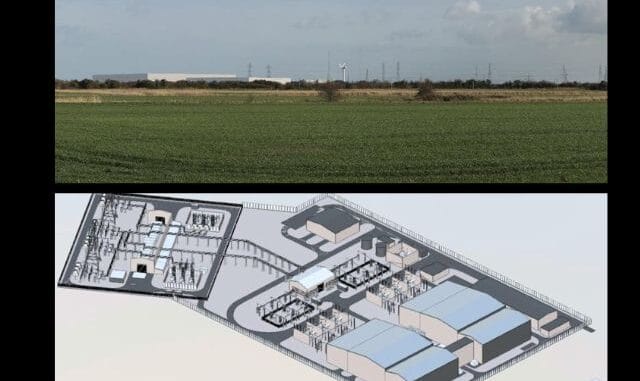
The plans include a 90,000 square metre site with a 28-metre high onshore converter station and a substation at Minster marshes in the Stour Valley.
To bring the power from the subsea cables into and out of the electricity network there will be converter stations, substations and new underground and overhead electricity lines at both ends.
The proposed £1.1 billion high-voltage subsea cable project, designed to strengthen the UK’s electricity grid, will have cables making landfall at two highly sensitive locations: RSPB’s North Warren Nature Reserve in Suffolk and Kent Wildlife Trust’s Sandwich and Pegwell Bay National Nature Reserve. Both sites sit within landscapes of multiple national and international conservation designations.

National Grid needs a Development Consent Order granted to go ahead with the scheme.
During the examination there have been hundreds of representations from Thanet residents, councillors, Kent Wildlife Trust and campaign group Save Minster Marshes to present evidence and raise concerns about the project’s environmental impacts.
Kent Wildlife Trust says the development would result in the loss of 13.6 hectares of valuable habitat within Minster Marshes, “posing significant threats to local biodiversity.”
National Grid says demand for energy is increasing and the Sea Link project is designed to deliver renewable and low carbon energy efficiently to homes and businesses across the regions and beyond.
The company say the existing electricity network in Suffolk and Kent needs upgrading because the UK’s electricity grid was originally built in the 1960s to connect electricity generated in power stations from fossil fuels.
The Trust, campaigners and others say the proposed landfall at Pegwell Bay and associated works at Minster Marshes would devastate one of the most sensitive coastal ecosystems in the county.
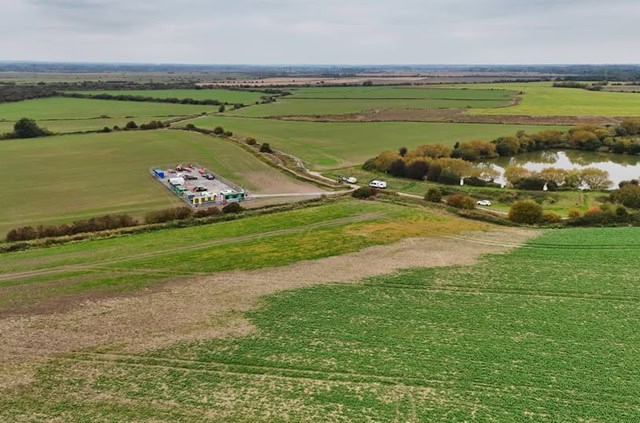
An indicative timeline says, subject to gaining development consent, construction works would be expected to start this year and be completed by the end of 2031 with reinstatement potentially continuing into 2032.
The peak construction workforce in Kent would be approximately 241 with work scheduled to take place 7 days a week, including bank holidays, from 7am to 7pm weekdays and 7am to 5pm weekends/bank holidays.
The final decision on National Grid’s Sea Link project will be made by the Secretary of State for Energy Security and Net Zero, a role currently held by Ed Miliband MP.
