

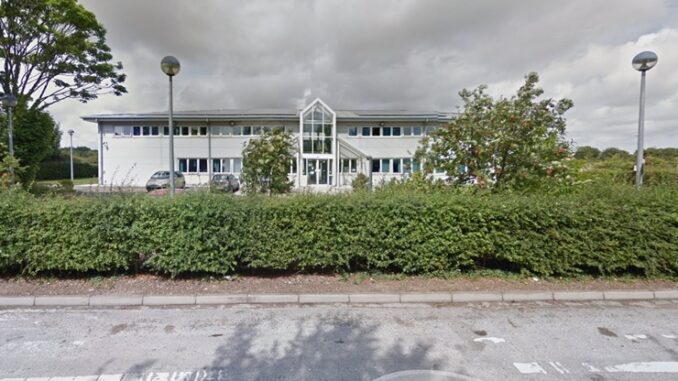
Kent and Medway NHS and Social Care Partnership Trust (KMPT) has been issued with a warning notice to make urgent improvements after a Care Quality Commission inspection of two of its services in March found a decline in the quality of care being provided.
The inspections were completed as part of CQC’s adult community mental health programme.
Due to the level of concerns during the inspections, CQC issued the warning notice highlighting where it expected the trust to make rapid improvements. CQC has also asked to see an action plan on how the trust will deliver wider improvements and CQC will monitor progress.
CQC inspectors found people were often detained beyond the legally permitted period and received treatment without the correct legal permissions. This meant people’s rights under the Mental Health Act weren’t always protected.
Community-based mental health services for adults of working age have been re-rated as requires improvement overall, as have the ratings for effective, caring, responsive, and well-led. Safe has been downgraded from requires improvement to inadequate.
The rating for the mental health crisis services and health-based places of safety has been downgraded from good to requires improvement overall, as have the ratings for safe, effective, responsive, and well-led. Caring has declined from outstanding to good.
Crisis care breaches
In crisis services the CQC inspectors found 6 breaches of the regulations in relation to consent, safe care and treatment, patients staying in places of safety without appropriate policies and procedures in place, staff vacancies, duty of candour and governance.
The CQC reviewed 15 care records for patients of health-based places of safety and of these 9 had been detained beyond the time permitted by law.
Community care
In community services, delivered from sites including The Beacon in Ramsgate, inspectors found 4 breaches of regulation in relation to safe care and treatment, buildings and premises, governance, and staffing. The service still did not robustly assess and manage risk or create individualised crisis plans with people who used services.
In February 2025, across MHT teams, 2,699 people were waiting for interventions (which included initial interventions, initial meetings, medication reviews and all treatment pathway interventions).
Of those 2,699 people, 715 were on waiting lists for Thanet MHT. Of those 2,699 people, 466 people had been waiting for 90+ days. Of the 466 people who had been waiting 90+ days, 120 of them had been waiting for an individual initial intervention, 61 for a group initial intervention, and 60 for an initial meeting.
This meant people who used services were sometimes waiting for a long time to start their treatment, during which time they did not receive support from the service.
On 20 March 2025, the MHT service had 2,411 people on waiting lists to start interventions. Of those, 241 people were waiting for a first meeting in Thanet.
The community services report says: “In the Ashford and Canterbury, Thanet, and Maidstone meeting records, we saw a lack of clear information on risks and rationale for people who used services being included in this meeting, as well as many agreed actions that had no staff member allocated to them.
“This meant there was not sufficient assurance that people who were identified as being of concern were appropriately supported to mitigate risks.”
The trust’s January 2025 audit of care records showed that at Thanet MHT+, only 40% of care plans included clear and achievable interventions, only 33% had been updated since a hospital admission or crisis intervention, and only 40% had a clear and detailed crisis plan.
Only 50% of risk assessments had a clear, concise and detailed formulation and only 25% of risk assessments had been updated since a hospital admission or crisis intervention.
‘Deeply concerned’
Serena Coleman, CQC deputy director of operations in Kent, said: “Following our inspection at KMPT, we were deeply concerned to find the trust didn’t always provide care that was safe or personalised to people’s needs, and its quality had declined significantly since our last inspection.
“In mental health crisis services and health-based places of safety, we found people were often detained beyond the legally permitted period and received treatment without the correct legal permissions. This meant people’s rights under the Mental Health Act weren’t always protected, and they were left feeling uncertain and vulnerable at a time of acute crisis when they most needed support and understanding.
“We also saw staff weren’t aware of the tools available to support people with specific communication needs, making it harder for them to be heard and involved in decisions about their own care. This communication barrier prevents genuine person-centred care and can leave people feeling isolated when they most need understanding.
“In community-based mental health services for adults of working age, we found people didn’t always have up-to-date risk assessments or person-centred crisis plans. Some records contained only generic plans, while others had none at all.
“This left people without clear support strategies, and some told us they weren’t even aware they had a care plan. For people with complex or high-risk needs, this lack of personalised planning increased the risk of serious harm and left carers feeling abandoned and unsupported.
“These concerns around care plans were highlighted in our previous inspection, yet too many remained out of date or incomplete, meaning people’s current needs and risks weren’t always reflected in their care.
“We’ve told the trust exactly where improvements are urgently needed and have received the action along with along with assurances on where work has been undertaken. We’ll continue to monitor services closely to ensure people receive care while these improvements are made.”
In mental health crisis services and health-based places of safety, inspectors also found:
- The service failed to consistently ensure staff had sufficient training and awareness to fully support people with diverse communication needs.
- Staff failed to consistently personalise risk assessments and care plans or update them regularly, which left some people without clear support strategies.
- Leaders didn’t ensure some clinical environments were well maintained or suitable for people’s care creating potential risks to people’s safety and wellbeing.
- Rapid response and home treatment teams failed to meet service standards for crisis care, as staff shortages and heavy reliance on bank and agency staff left people without timely support and at risk of serious mental health deterioration.
In the community-based mental health services for adults of working age, inspectors found:
- Teams failed to provide timely care and treatment, leaving some people waiting long periods for treatment or medication reviews.
- Staff lacked clarity on which assessments and processes to follow when evaluating people’s needs.
- Leaders didn’t ensure that group and online treatment options matched people’s individual preferences. Many people preferred one-to-one, in-person treatment and sometimes opted out.
A disconnect remained between staff and senior leadership; staff reported their feedback wasn’t considered, and decisions were made without proper involvement.
‘Meaningful improvements’
Sheila Stenson, chief executive officer of Kent and Medway NHS and Social Care Partnership Trust said: “We accept the findings of the recent CQC inspection in full and are committed to making meaningful improvements that will deliver the highest standards of care.
“When the CQC raised concerns with the Trust in March, we acted immediately to ensure the safety of our patients, and we have now submitted our full plan for improvement.
“With the support and continued dedication of staff and involvement from people who use our services, families and carers we will move forward with determination and transparency. We look forward to demonstrating the progress we are making in the months ahead.”

How will they be held accountable if they dont follow through on the many improvements needed and what time frame do they have, I wonder. Its very concerning.