

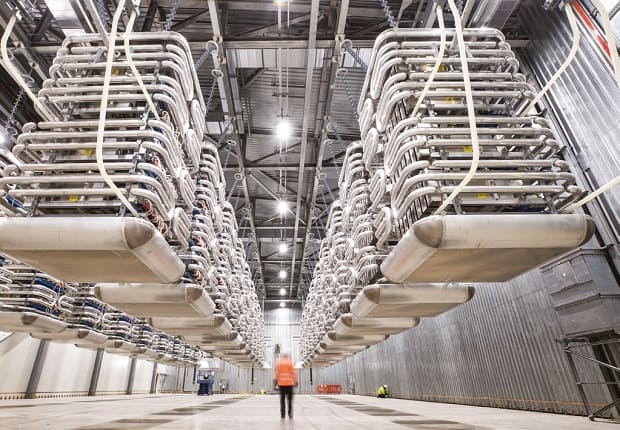
National Grid has selected Siemens Energy as its preferred bidder for construction of two HVDC converter stations for its Sea Link project creating a subsea electricity cable between Suffolk and Kent.
National Grid, which submitted its application to the Planning Inspectorate for development consent for the project last month, says the scheme will help deliver the UK’s energy security strategy and net zero targets.
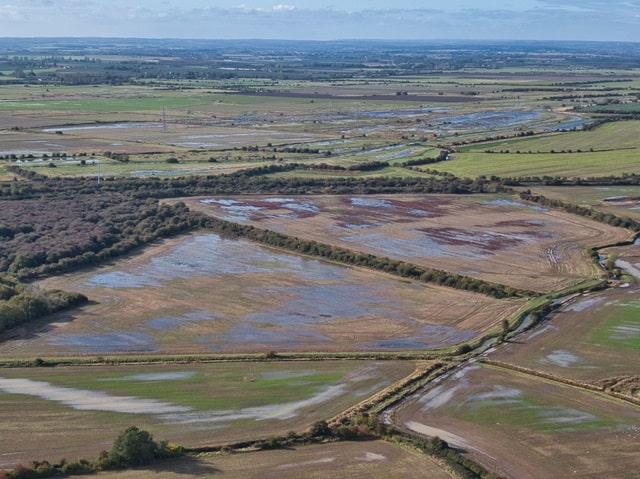
Sea Link includes a 28-metre high, 90,000 square metre onshore converter station at Minster marshes in the Stour Valley.
The converter station, plus external equipment such as lightning protection, safety rails for maintenance works, ventilation equipment, aerials, and similar small scale operational plant, or other roof treatment, will also have a new substation immediately adjacent.
The proposals outline a preferred route which includes a landfall in Pegwell Bay to a proposed converter station site and high voltage pylons over the land to the south of Minster, connecting with subsea cables to a point on the Suffolk coast between Aldeburgh and Thorpeness.
National Grid says the selection is a ‘crucial step towards securing market capacity’, as well as allowing it and Siemens Energy to begin the planning needed for project delivery before full contract award.
Sea Link is part of National Grid’s The Great Grid Upgrade, to supply renewable and low-carbon power to homes, business and public services.
Sea Link Project Director Adrian Pierssene said: “This is a major milestone for Sea Link – a vital part of Great Britain’s energy network, designed to meet rising demand and strengthen energy security. Siemens Energy, a leader in advanced energy technology, brings specialist expertise that will support the delivery of the infrastructure needed for the UK’s future energy network.”
Mark Pilling, Vice President of Grid Solutions Europe at Siemens Energy said: “Sea Link is another crucial step in our efforts to meet the UK’s expanding electricity needs, delivering security of supply and reinforcing our grid – a key part of our energy transition. We’re looking forward to continuing our strong working relationship with National Grid.”
The Development Consent Order application is being considered by the Planning Inspectorate. If the application is successful Sea Link will enter its construction phase, expected to begin in 2027.
here is significant opposition to the Sea Link project with campaign group Save Minster Marshes fighting the plans and Kent Wildlife Trust heading up the Rethink Sea Link campaign.
Save Minster Marshes had urged National Grid to rethink Sea Link and relocate the infrastructure for the grid upgrade. They said options included brownfield sites on the Isle of Grain or Kingsnorth which are closer to where power is needed, or re-examining the SL1 route that comes onshore between Richborough and Dungeness and is closer to the Sellindge substation.

Kent Wildlife Trust has also been campaigning to ‘Rethink Sea Link.’
Emma Waller, Planning & Policy Officer, Kent Wildlife Trust said: “It is deeply disappointing to see the celebration of potential contractors for the Sea Link project at this critical time, while the Planning Inspectorate is still considering the Development Consent Order.
“Announcing Siemens Energy as the preferred bidder for the converter stations may appear as a sign of progress, but it distracts from the harsh reality: building a converter station on Minster Marshes would be an environmental tragedy.
“Minster Marshes is a site of significant ecological value, home to vulnerable and protected wildlife that will be devastated by this development. The construction of this converter station would scar a precious natural landscape, fragment vital habitats, and threaten the survival of species that rely on the marshes to breed, feed and thrive.
“It is both sad and frustrating to witness economic interests being prioritised over nature, especially when alternative routes for Sea Link exist that would avoid such destructive impacts. Nature cannot continue to pay the price for poor planning decisions, particularly in an era where we face dual climate and biodiversity crises.
“Kent Wildlife Trust stands with local communities, conservationists, and nature lovers in calling for a smarter, greener solution that protects our natural heritage while meeting our energy needs. We urge National Grid and the Government to consider the devastating cost this project would impose on our wildlife and to Rethink Sea Link before it is too late.”

Appalling- an undersea,link to Belgium or France at least make logistic sense but putting a potentially vulnerable cable on the seafloor to link Kent and East Anglia sounds totally daft – and probably is!
How is an undersea cable to Suffolk more vulnerable than a cable to Europe?
Will they be using Toby Carvery for tree assessments?
What is the best way to voice my objection to this in some official way?
Search the Save Minster Marshes campaign online
If the project is approved for a DCO application, there will be a comprehensive Examination Stage, during which you will have ample opportunity to respond.