

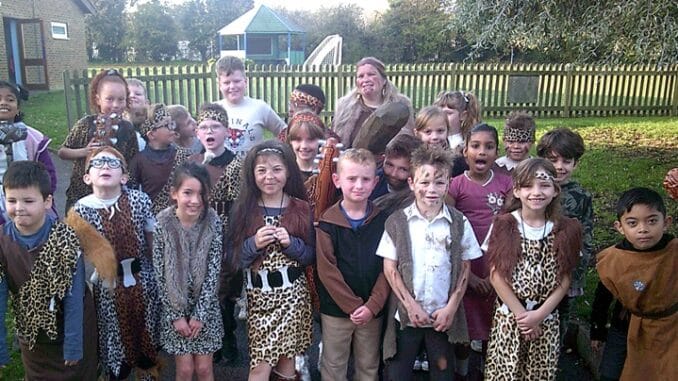
Young cave dwellers were out in force when prehistoric times returned to St Gregory’s Catholic Primary in Margate.
The journey of discovery into the past involved Year 3 and 4 pupils dressed as Stone Age people enjoying a diverse range of activities on a special focus day.
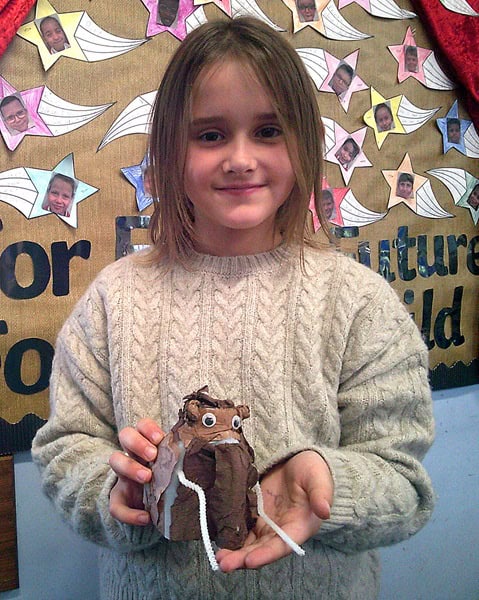
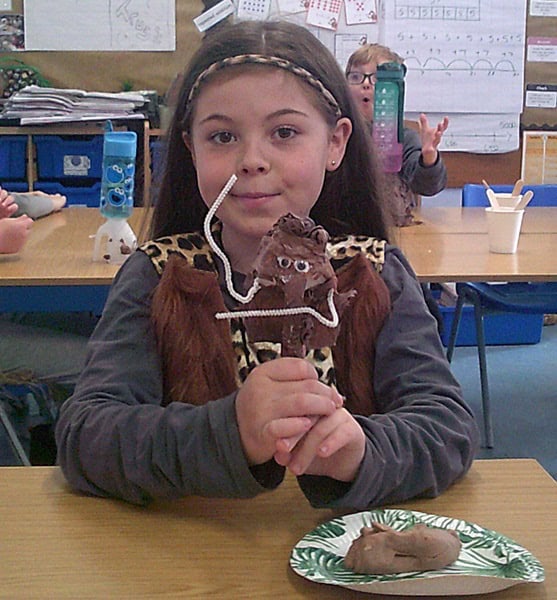
Dressed in period costume, they took part in a range of activities that celebrated a term of cross-curricular learning such as creating woolly mammoths inspired by their study of the ancient animals during English.
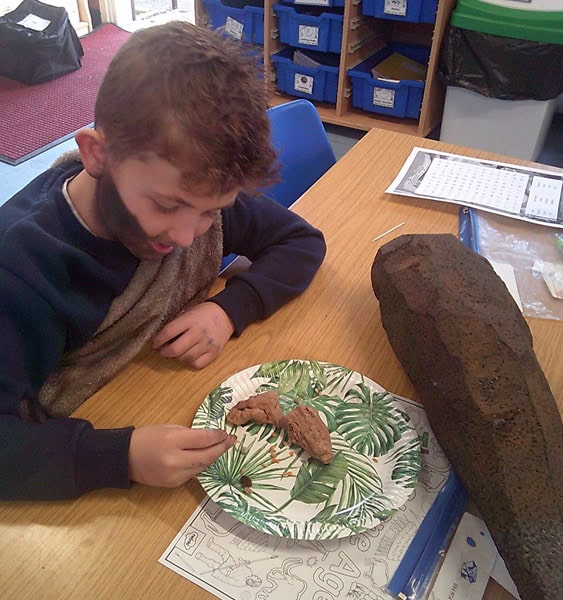
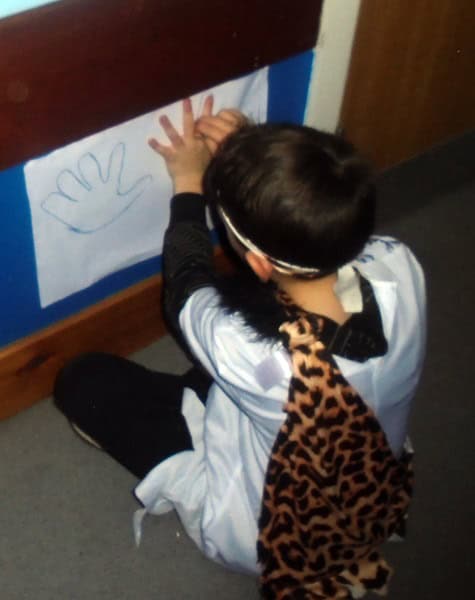
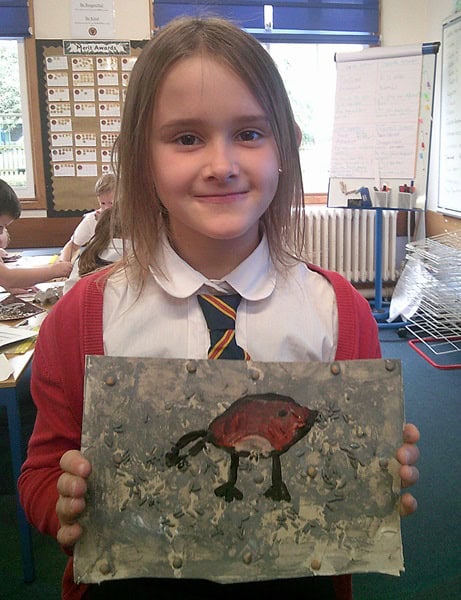
They also experienced making cave drawings by lying on their backs drawing with charcoal in half-light to replicate a gloomy dwelling, and they found out about a typical Stone Age diet by examining replica coprolites (fossilised poo).
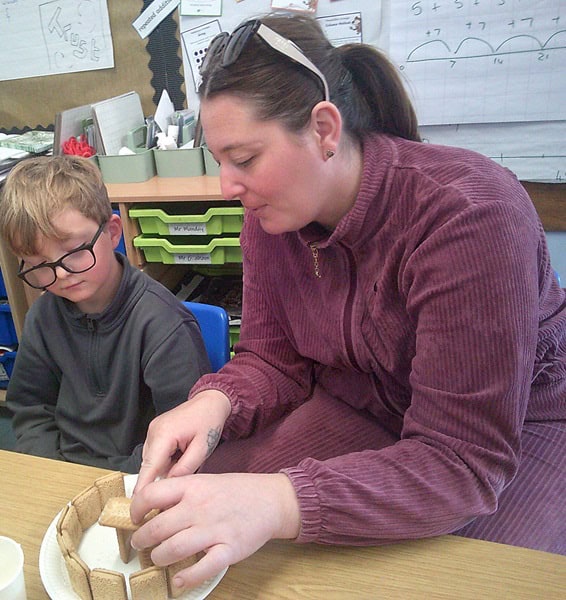
The wonders of Stonehenge were investigated and children discussed how and why the monolithic structures may have been built. They were joined by their parents/carers and attempted to create some sections of the monuments with biscuits to represent the standing stones.

As part of their history focus the pupils explored life in the Stone Age and then looked at the changes throughout the Bronze Age and into the Iron Age, and found out how everyday lives developed during the centuries.
They learnt how to make deductions as archaeologists, examining certainties and possibilities of found archaeological evidence. They also looked at the different periods of Prehistory and considered what continued, what changed and how life improved.
The group also studied two books in English and reading lessons – “Stone Age Boy” by Satoshi Kitamura and “DK Find Out! The Stone Age” by Klint Janulis.
They wrote non-chronological reports, setting descriptions of a Stone Age settlement and their own version of the Stone Age Boy story.
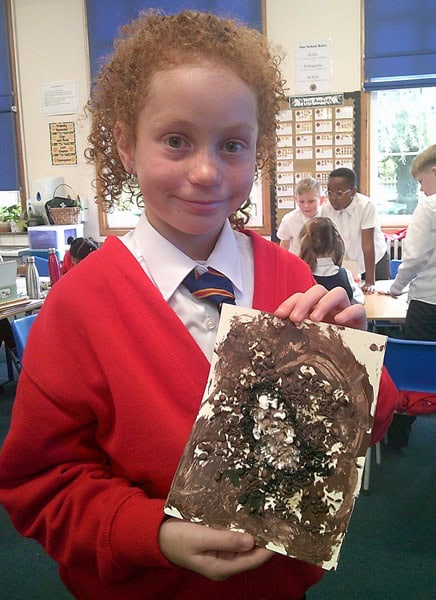
Meanwhile in Art they discovered how natural paints were made and how simple cave drawings recorded the life and times of the period.
Shimona Sandwell, Year 3 and 4 teacher, co-ordinated the themed day. She said: “Stone Age Day was a truly immersive experience that allowed children to connect with history in a unique and engaging way.”
Head of Lower Key Stage 2 Noah Graham, SENCO (special educational needs co-ordinator), added: “The children all get to shine during these days that offer insight into the daily lives of those in the past, giving them the ability to empathise with their ancestors.
“The opportunity to work with parents and carers to share what the children have learnt is also very valuable and enjoyable.”
*The Prehistoric Period—or when there was human life before records documented human activity—roughly dates from 2.5 million years ago to 1,200 B.C. It is generally categorized in three archaeological periods: the Stone Age, Bronze Age and Iron Age.
