

The Planning Inspectorate has accepted for examination National Grid’s development consent application for the Sea Link project creating a subsea electricity cable between Suffolk and Kent.
National Grid, which submitted its application to the Planning Inspectorate last month, says the scheme will help deliver the UK’s energy security strategy and net zero targets.
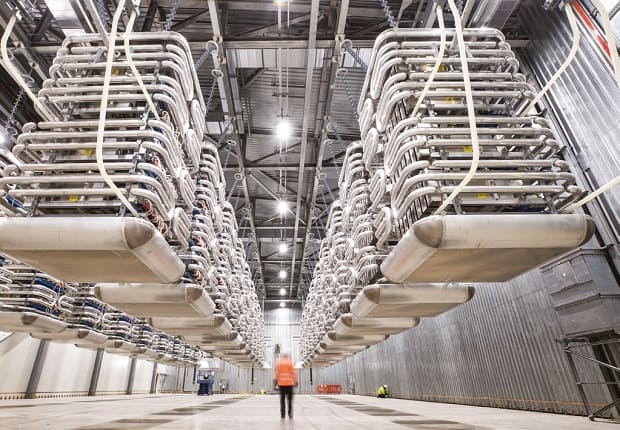
Sea Link includes a 28-metre high, 90,000 square metre onshore converter station at Minster marshes in the Stour Valley.
The converter station, plus external equipment such as lightning protection, safety rails for maintenance works, ventilation equipment, aerials, and similar small scale operational plant, or other roof treatment, will also have a new substation immediately adjacent.
The proposals outline a preferred route which includes a landfall in Pegwell Bay to a proposed converter station site and high voltage pylons over the land to the south of Minster, connecting with subsea cables to a point on the Suffolk coast between Aldeburgh and Thorpeness.
Having been accepted by the Planning Inspectorate, the project now enters the pre-examination phase. All stakeholders, including members of the public, will shortly be able to register with the Planning Inspectorate as Interested Parties, allowing them to take part in the Examination process.
A Preliminary Meeting will be held, after which the Planning Inspectorate will proceed to examination, including a series of public hearings. Once the examination phase is closed, the Planning Inspectorate will make a recommendation to the Secretary of State for Energy Security and Net Zero, who will make the final decision on the application.
Interested parties can register via the Sea Link page on the Planning Inspectorate website.
For more information about the Sea Link project, visit the website at nationalgrid.com/sealink

Yawn……it’s like the planning system is slower than snails. The question should be do we need it .? if yes we do, get on with it and let’s have it. It took 9 long years for Manston Airport to be approved. How long is this one going to take??
I totally agree Bill , if it’s definitely essential, give it the immediate go-ahead.
And who decides “do we need it?Would you be so blasé I’d a project meant flattening your house?
Phyllis, funny you say that because our house was flattened to build Westwood cross along with others. Our house was valued at £155,000 the developers paid us £355,000 plus £25,000 resettlement fee and all legal fees. However I don’t think this development will want to knock down houses. Wild life soon adapt to the environment when thinks are built those who protest about major utilities being built are selfish to the extreme because they are essential infrastructure.
No ‘houses for people’ will be knocked down, but plenty of the ‘homes’ of wildlife who live there currently quite oblivious that their world is about to be destroyed forever. This is destruction of wildlife habitats because we need to increase our use of electricity in order to reduce our use of fossil fuels, whether it’s heating our homes or charging our electric vehicles. This is not farmland producing food but it is equally vital to the ecology of our world and will be a tragedy if it goes ahead.