

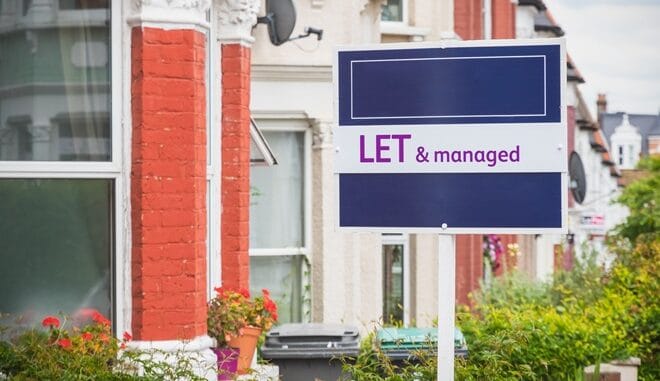
The most historic changes to private renting in England are now in action, giving 11 million tenants landmark new rights and protections.
Rules in the Renters’ Rights Act in force from today (1 May 2026) include the highly anticipated ban on Section 21 ‘no-fault’ evictions – ending the practice of evicting tenants without proper reason.
Other changes include limiting rent increases to once a year and upfront rent demands to just one month’s payment. Bidding wars are now banned, so no one has to battle it out with high offers to secure a place and tenants can challenge unreasonable rent hikes.
Renters now have the flexibility to end any tenancy with no more than two months’ notice, as fixed-term agreements become invalid from today.
It is now also illegal to discriminate against prospective tenants for being on benefits or having children and pet requests must be reasonably considered.
The new laws come with heftier penalties of up to £40k if they are broken.
The courts are also being digitalised to help tenants and landlords access justice in simplified processes.
‘Important milestone’
Crisis Chief Executive Matt Downie said: ”Today marks an important milestone for the millions of people renting across England who have lived without stability and security for far too long. Private renters will finally be able to breathe a sigh of relief without the threat of a ‘no fault’ eviction or an unfair rent increase pushing them into homelessness.
“Section 21 evictions have long been one of the leading causes of homelessness. As an organisation we have campaigned long and hard to strengthen renters’ rights and today’s legislation is a critical step in doing so. At last, private renters can feel safe and secure in their homes without the threat of an unnecessary eviction forcing them into homelessness.”
How have renters’ rights improved?
- No more Section 21 ‘no-fault’ evictions – private landlords can no longer evict tenants without a valid reason.
- Goodbye to fixed contracts – all tenancies in the private rented sector will roll on from month to month or week to week (depending on your arrangement) with no end date, giving renters more flexibility. Tenants can end them with two months’ notice.
- Fairer rent rules – landlords can only raise rent once a year and renters can challenge unfair hikes.
- No more bidding wars – landlords must stick to no more than the advertised rent price.
- One month’s rent upfront, max – landlords can’t ask for more.
- No discrimination – it’s now illegal to refuse tenants just because they receive benefits or have kids.
- Pets welcome – renters can now ask to live with a pet and landlords must reasonably consider it.
Section 21 ‘no-fault’ evictions
Private landlord possession claims using the Section 21 process that are going through the courts on the commencement date will proceed as normal.
After 1 May 2026, the courts will still be able to process Section 21 possessions that are ongoing, for example:
- if a private landlord served their tenant with a Section 21 notice before 1 May 2026, any court possession proceedings must be made in line with the usual rules and no later than 31 July 2026, when using the Section 21 court process.
- after this date (31 July 2026), the landlord will not be able to use the Section 21 process and must use the new grounds for possession.
But Laura Southgate, Partner at law firm Cripps, said there are uncertainties for landlords and agents.
She said: “ “There is real apprehension among landlords and agents about the Renters’ Rights Bill coming into effect. Most are well prepared, but anxious about compliance.
“The legislation is complex and, in places, disconnected from the day‑to‑day realities of the private rented sector. There is also a lack of clarity on key issues such as anti‑rental bidding and bans on advance rent, points that directly affect business models and marketing strategies.
“Many of these questions may only be resolved through case law or further guidance.
“At the same time, promised court reforms remain opaque. As regular court users, we are seeing no improvement in possession timelines; in fact, one London court has told us it may take 16–20 weeks simply to process a claim and list a first hearing.
“Against this backdrop, rumours of a potential rent freeze only heighten uncertainty.”

Oddly the social housing providers will still be able to use section 21 until at least the autumn of 2027, so presumably its not all bad and is perceived as being necessary by some.
The changes are no problem for decent tenants and decent landlords when together.
Won’t affect the truly awful landlords who’ll continue as they have.
Those who’ll suffer will be those looking for a home who don’t have sufficient income, a guarantor , have any sort of bad credit , or just does’nt present well. They are going to really struggle going forward.
As for the concerns about rental costs, raising taxes on landlords, selective licensing , the propose onbudsman and proprty portal are all costs that will be passed on in increased rents.
Not all landlords are awful.I think their are more awful tenants.Now these people have rights. I have seen drug dealing, herion addicted,domestic abuse,alcoholics extreme anti social behaviour people all rent in my road.They are a constant nuisance and make everyone elses lives a misery.Just waiting for this government to give them extra welfare whilst hard working low paid workers are behind them in the rental market.
The big issue is housing has become an investment vehicle, anyone with spare money (or not as buy to let mortgages demonstrate) get to play the real estate game to either preserve existing wealth or to increase it. Money left in the bank loses purchasing power at a pretty alarming rate and buying property to rent is seen as the ‘safe’ option.
No investment is without risk and now there’s more risk to being a landlord. Maybe folks with cash to spare will think of beter ways to invest their money… or maybe not but I like the idea of houses being used as places to live rather than as a finance product.
The problem is not that property has been an investment , rather that the uk’s housing policy education system and employment policy etc , has meant that supply has’nt met demand, wages have’nt kept pacemwith housing costs, too many don’t have the skills to earn a decent living these days.
It’s those failures that made property a decent investment.
However as much as anything the endless attacks on the private rented sector are to draw attention away from the social sector, how has it been able to kill so many of its tenants , grenfell, lakanal, baby awab ( being those that immediately spring to mind) , and not been subject to substantial reform?
The private rented sector is cheaper than the social sector once you take into account the tax take. Tenant satisfaction is greater in the private sector. Historically the social sector has used Sec21 far more than the private sector.
Basically the private sector had become too successful.
Hi Kathy I just got to your email my apologies I sent this too you best wishes Brian 🙏