

By Peter Barker
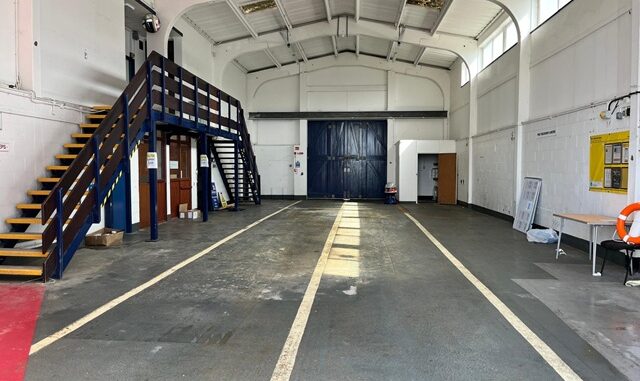
With handing over of the keys to contractors, Margate RNLI’s volunteer lifeboat crew have left their old lifeboat station for the last time, bidding farewell to what has been home to Margate’s lifeboats since 1978 and looking forward to the new boathouse to be built on the site.
The collapse of the town’s jetty in 1978 marked a milestone in the history of Margate lifeboat station bringing the era of slipway-launched lifeboats in Margate to an end. At the time plans were already in place for a new boathouse housing a carriage-launched all-weather lifeboat along with the D class inshore lifeboat next to the Rendezvous car park.
At the time the new station was a modern facility – known in lifeboat circles as the ‘Margate Hilton’. Nearly 50 years later however, it lacked the requirements to operate modern lifeboats in the 21st century and was also suffering from the ravages of wind and waves due to its exposed position on the promenade.
Today’s lifeboat stations require dedicated training facilities, segregated changing spaces, a modern retail area, and greater opportunities to engage with its supporters and the local community in general, all within a greener, more efficient and sustainable building.
In 1999 the north side of the building was enlarged improving the conditions for the volunteer crew and in June 2025, with the boathouse nearing the end of its design life, the lifesaving charity announced plans for a replacement building within the existing site footprint.
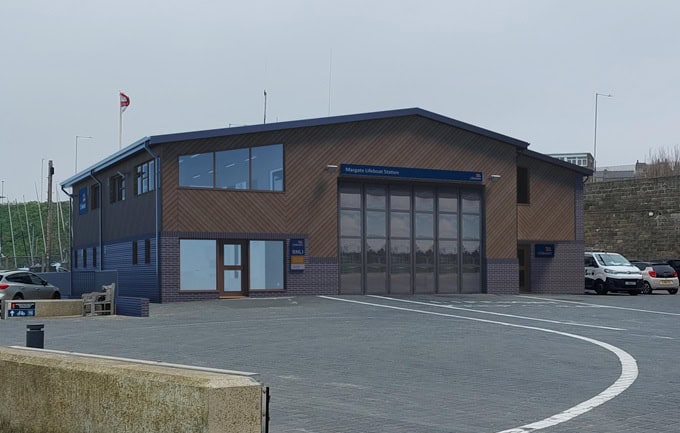
While construction of the new £3.5m station is underway, including demolition of the old boathouse, the two lifeboats remain fully operational from temporary accommodation next to the site and after a lengthy ‘moving-out’ period, carried out by the volunteer crew, the time has finally come to say farewell to the old station.
The boathouse has also been home to RNLI seasonal lifeguards who keep Margate’s Main Sands safe during the summer months. They are also housed in temporary accommodation and the new building will include enhanced facilities for the lifeguards and their equipment, including rescue watercraft.
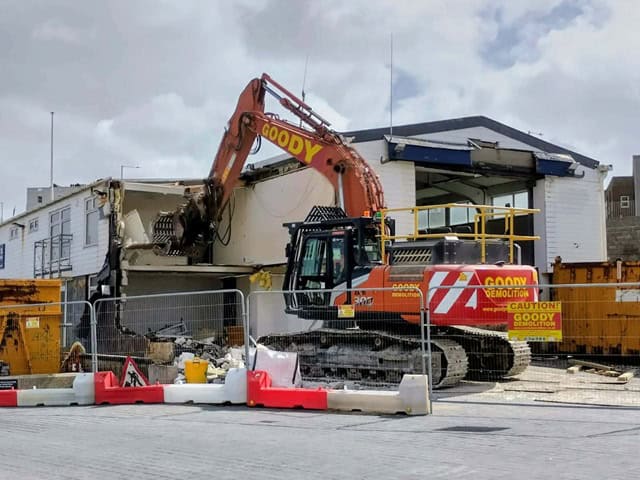
The build time is estimated at 12 months with a two month commissioning period and the volunteer crew, shop staff and fundraisers are now looking forward to watching progress with their new home as the station, which has been saving lives at sea off Margate since 1860, moves into the next phase of its long history.
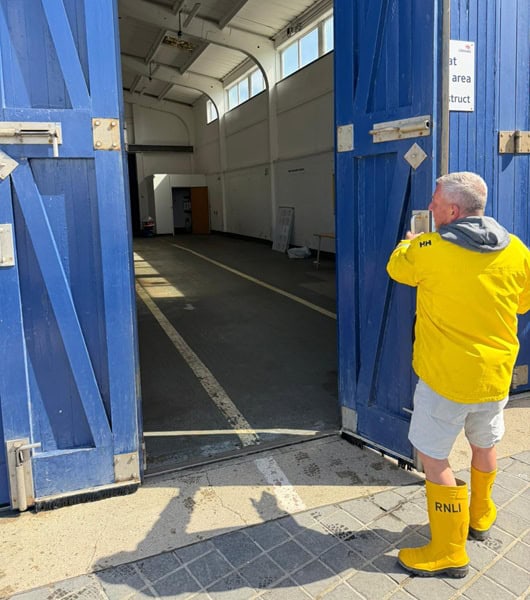
Derek Amas, Lifeboat Operations Manager, RNLI Margate said: “It is great to see the next phase of the new boathouse project finally underway, the old boathouse has served the crew past and present well but it is time to bring the crew facilities up to date to match the technology of modern day lifeboats.
“We also thank our supporters for responding to the appeal for the new boathouse and invite the public to contribute to the project via this link: https://rnli.org/support-us/give-money/give-to-a-special-appeal/margate-lifeboat-station-appeal You can not only be a lifeline for the volunteers you can also be a lifesaver for those who rely on their critical search and rescue skills.”
From Jetty to Rendezvous via a great storm
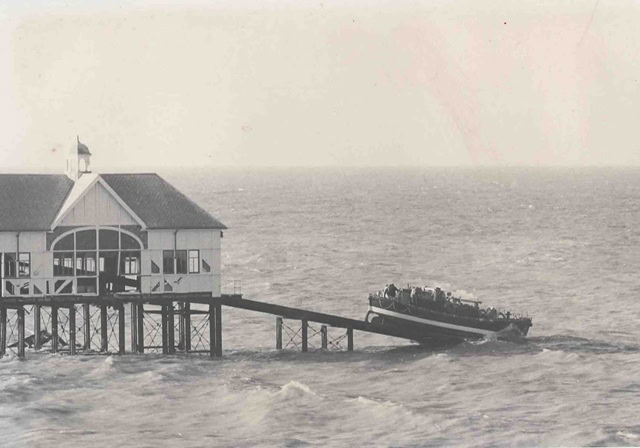
Margate lifeboat station has been operating since 1860. The existing station was built in 1978 following the collapse of Margate Pier.
On January 11-12, 1978, a storm surge battered the east coast of England.
In Thanet Margate Jetty, also known as Margate Pier, was one of the casualties. The pier, designed by Eugenius Birch in 1856, had suffered damage from the sea over the years.
The jetty closed in 1976 on safety grounds but the structure survived until January 1978, when the surge destroyed much of the pier with planks washing up on to Margate beach.
It isolated the lifeboat station, which was still operating there while plans were completed for a new build ashore.
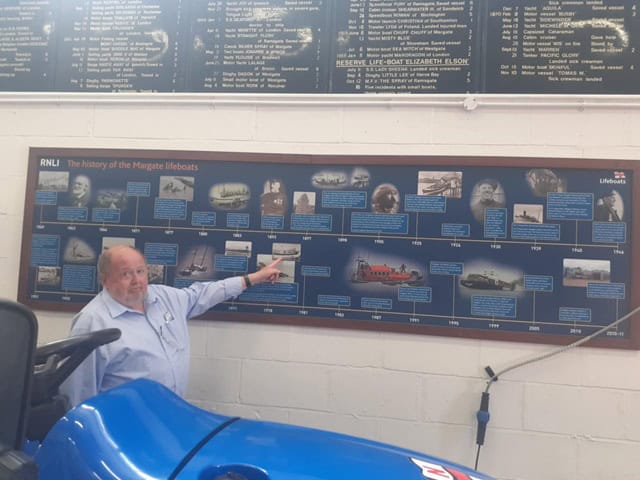
Following the storm the RAF air sea rescue Wessex helicopter from Manston, landed some of the lifeboat crew onto the station and after checking for damage to the lifeboat slipway, the boat was launched and taken to Ramsgate.
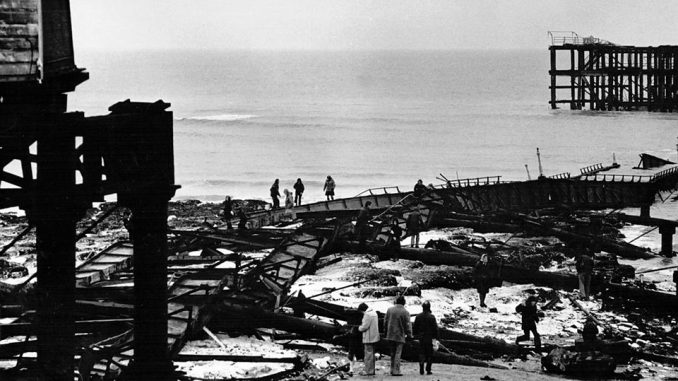
The replacement station at the Rendezvous promenade opened the same year.

Today’s lifeboat stations require segregated changing spaces.
Really? I thought women only spaces like changing areas, toilets etc were a thing of the past, according to a very vocal minority we hear from regularly-especially in Thanet?
This is a false little “gotcha”.
They are talking about practical facilities for mixed crews: people getting changed quickly, sometimes from wet kit, in a working emergency-service environment. That is basic dignity, privacy and operational sense. It is not some grand culture-war revelation.
And no, women-only spaces have not “become a thing of the past”. That is just a caricature of what people actually argue. The Equality Act has long allowed separate-sex and single-sex services, including things like toilets and changing rooms, where there is a good reason and it is proportionate. Even government guidance explicitly gives toilets, changing rooms and similar spaces as examples.
So if the point is “women and men often need separate changing spaces”, then yes, obviously. Most people agree with that. The argument has never honestly been that privacy suddenly does not matter. The argument is about how you balance privacy, dignity, safety and inclusion without turning every toilet, changing room or lifeboat station into a political battleground.
Frankly, using the RNLI’s practical building requirements to have a pop at trans people in Thanet says more about the poster than it does about lifeboat stations. The RNLI are trying to build proper facilities for volunteers who save lives. Dragging them into a culture-war sneer is pretty grim.