

By Matt Drake
Flooding along the River Stour is threatening East Kent’s farmland, a Minster farmer has warned.
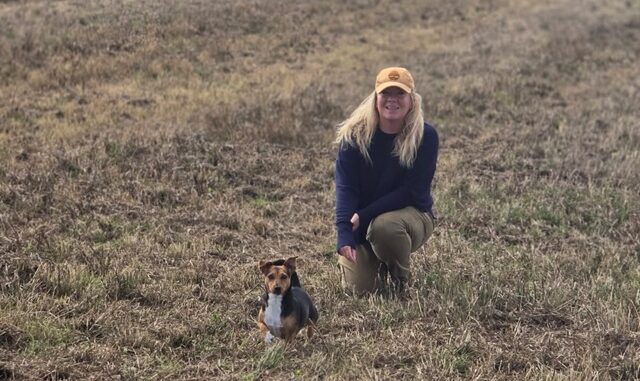
Pippa Southorn, who runs DH Clifton Farm, says the challenges are growing worse each year. Her farm backs directly onto the river, which has flooded so often that she no longer plants crops near the water.
“We have a lot of flooding in the winter and then drought potential in the spring and into the summer,” Pippa said. “Coastal farmers are more downstream, which means we could also be more affected by river pollution in the future.
“Our farm could flood because river flooding occurs downstream and we’re downstream from Canterbury.”
Her warning comes after a summer of extremes for farmers across Britain. Record-breaking heat and drought were followed by weeks of heavy rainfall, leaving fields either scorched or waterlogged.
Pippa grows wheat, oilseed rape, beans, quinoa, and baby leaf salad – a blend of staple and specialist crops. But farming on the Kent coast means working with constant uncertainty.
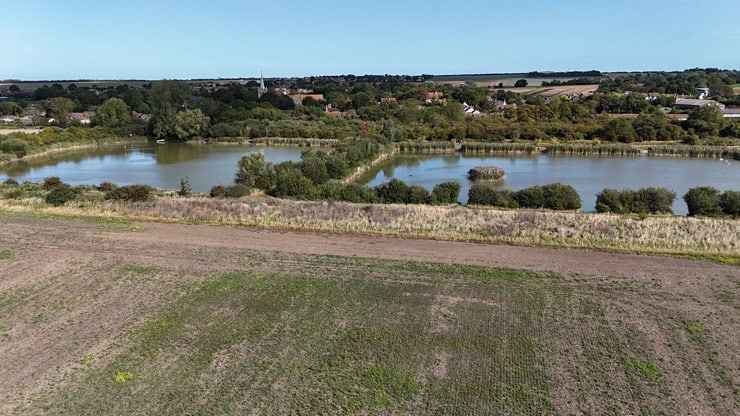
To cope, her farm has invested in a reservoir, and nearby fields now include scrapes – shallow pools that collect floodwater and attract winter wading birds. “That’s been really successful,” she said. “But we no longer farm near the river because it floods every year now.”
A study by the Energy and Climate Intelligence Unit has found that more than 80 per cent of UK farmers are worried about the climate crisis damaging their livelihoods.
Pippa has also abandoned traditional ploughing, instead using direct drilling to protect the soil. “We use arable crops so we don’t plough soil anymore and we just direct drills so seed just goes directly in the soil,” she said. “That helps hold water in… we can just put seeds straight into the ground and there’s still moisture there.”
In addition, winter floods are now used to fill the farm’s reservoirs, providing irrigation during drier months.
The farm also relies on solar power to reduce costs during difficult harvests. Panels installed on the barn roof in 2012 now supply energy for drying grain when wet summers prevent natural drying in the fields.
“They were expensive at the time to install, but they have helped us through the high energy prices,” Pippa said. “If it’s too wet to harvest… the only option we’ve got for arable crops is to dry them out in the barn, which is expensive and something we try to avoid.”
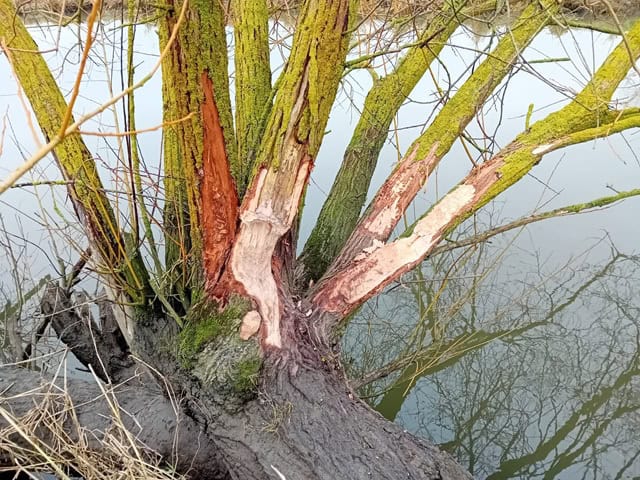
One of the most surprising changes along the river, says Pippa, has been the arrival of beavers. Their presence has divided opinion among farmers.
“We’ve got beavers down by the river. They’ve been very active and are breaking down the riverbank essentially because it’s this clay bank and a widening river,” Pippa said.
“There are two thoughts that, on the one hand, beavers will clean up the rivers, they’ll slow them down, they’ll wiggle their dams, which will help reduce pollution downstream.
“On the other hand, it’s going to flood farmland and what do we do? So, I think next year there’s legislation coming out where we will know what we do with beavers. They’re protected*.”
Pippa has seen how quickly conditions can swing from one extreme to another. “It was a really wet winter the year before and then the hottest summer,” she said. “If there is an extreme drought, really low rainfall over a period of years, then we’ll be in really big trouble.”
Despite the challenges, farmers like Pippa remain determined to protect the land and keep East Kent’s fields productive for the generations to come.
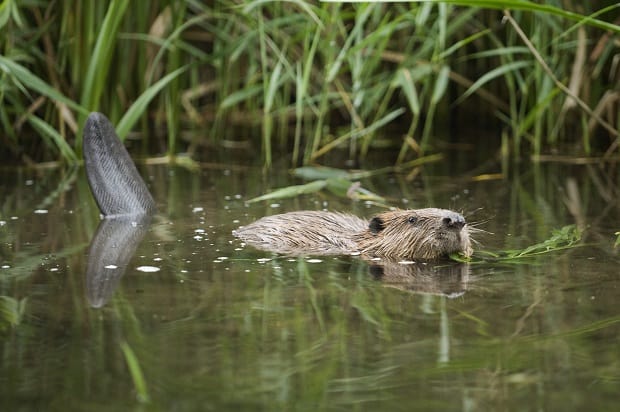
*The reintroduction of the Eurasian beaver in Britain took place in 2002 when Kent Wildlife Trust released two beaver families onto Ham Fen nature reserve.
Ham Fen is the last surviving area of Fenland in Kent and provided the perfect environment for the beavers to thrive, they immediately begun to build dams, raise the water levels and improve the habitat.
Kent Wildlife Trust says the positive impacts of the beaver’s work are clear to see. Water levels are higher, helping to restore areas of peat fen which are so valuable in locking up carbon. The combined rise in water levels coupled with the beaver’s natural coppicing has led to a diverse mosaic of open areas and scrub that provides the best conditions for fenland wildlife.
In October 2022, the European beaver finally became a protected species in England. This means that beavers have species-level protection, and it requires a license to possess and manage beavers and their lodges, burrows and dams.

So is the flooding down to climate change or the attempts to return the landscape to what it once was? Are the channels dredged as originally intended when they were built ? Is the intention to return thanet to it’s orignal geography?
The phrase “Flood Plain” has existed for centuries. Remember the fecund areas of ancient Egypt, Babylon, Sumeria, etc? Forty years ago, Margaret Thatcher brought in planning restrictions to prevent building on flood plains.400 years ago the River Wansum silted up. 72 years ago Minnis Bay Dip flooded and half of Queenborough disappeared.
If you buy land on coastal and river margins you will get flooded. Poor personal purchasing choices are no reason to expect governments and taxpayers to bail you out (no pun intended) or restrict the majority.
It’s quite possible that down river silt is building up and decreasing the flow. Sea level is certainly not rising
Despite what climate grifters may be saying. Amounts of solid and gaseous water will always vary, around a stable aqueous volume.
Btw. I went to Hadlow Agricultural College four and a half decades ago. Along with other scientific studies.
Over 20 years ago I met a farmer near Romney Marsh who had gone over to reduced ploughing, that is only about 3″ deep. This reduced his fuel costs condsiderably, and made no difference to his arable crop! Just a thought.