

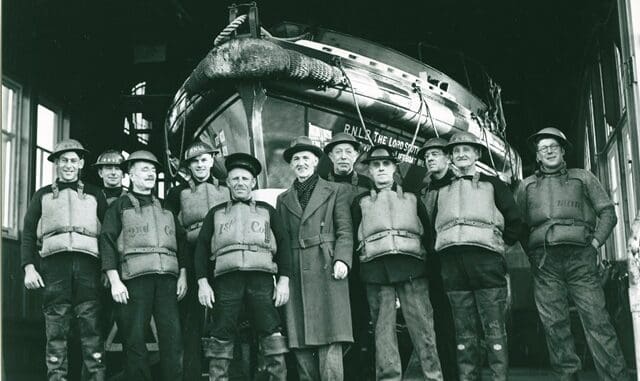
The Royal National Lifeboat Institution (RNLI) is marking the 80th anniversary of VE Day as it remembers its heroic crew and the part they played in the Second World War.
The RNLI played a vital role in the war effort, with lifeboats launching 3,760 times, coming to the aid of those in need from ships and aeroplanes, saving a total of 6,376 lives.
RNLI lifeboat crews not only went to the aid of ships that had been wrecked, but also to towed vessels loaded with explosives and top secret information. They navigated minefields, rescued downed aircrew, ferried food to remote villages, brought doctors to the injured and took priests to the dying.
The last lifeboat launch of the war happened one minute before the Second World War ended, with Salcombe lifeboat launching to a Norwegian minesweeper which had encountered an explosion off the coast of Devon. Torbay and Salcombe lifeboats conducted a search of the area but, sadly, only two cushions were found.
Tragically, during the war, 12 lifeboat crew lost their lives trying to save others and a total of seven lifeboats were lost in various ways – from air-raids on lifeboat stations, to being captured.

Many crew were recognised for their bravery and a total of 204 RNLI gallantry medals were awarded for their wartime efforts.
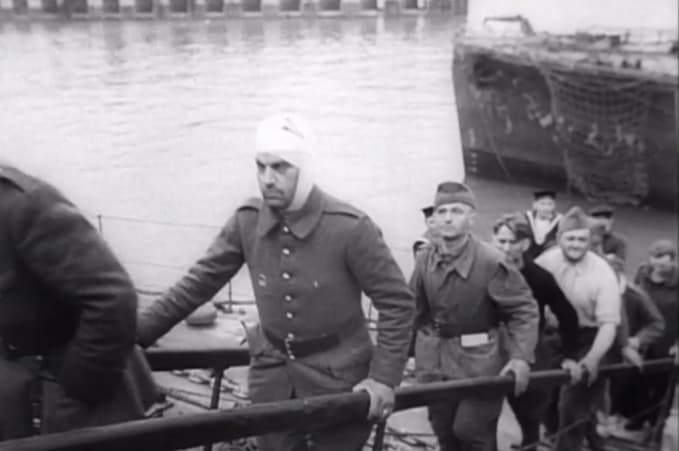
What became known as Operation Dynamo was a mammoth undertaking between 26th May and 4th June 1940 which saw around 850 private boats answer the call for assistance by evacuating 338,000 British and French soldiers. Nineteen RNLI lifeboats assisted from stations across the East and South coasts spanning Great Yarmouth to Shoreham, but only two went under their own crews: Ramsgate and Margate.
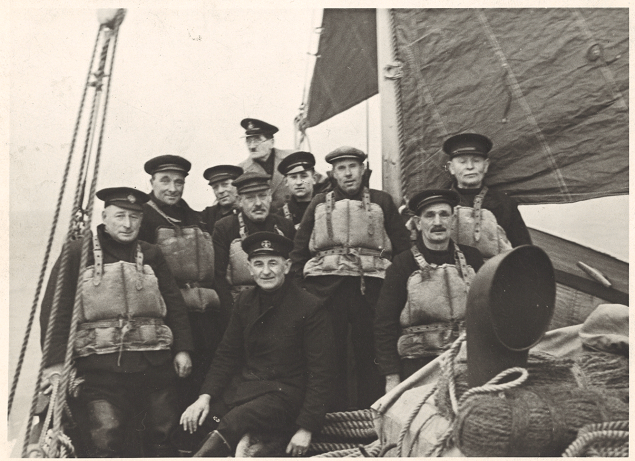
RNLI archivist John Ray said: “Before that call was made to the RNLI the local commander had asked the crews at Ramsgate and Margate if they would be prepared to take their boats across. Ramsgate set sail on the 30th May at 2.30pm and they arrived over on the beaches at 8pm that evening following a long dog-legged route that had been swept by mine sweepers. They also had in tow 18 small rowing boats.
“The plan was that they and some naval ratings they had taken onboard would get as close to the coast as they could with the lifeboat and that the small boats would be rowed ashore and ferry people to the lifeboat. When the lifeboat was full they would take the people out to a larger vessel and when that was full they would then depart for England.”
The crew, led by Coxswain Howard Knight, were away from the harbour for 48 hours. Thirty of those hours were spent off the beaches of Dunkirk ferrying troops out to the larger ships.
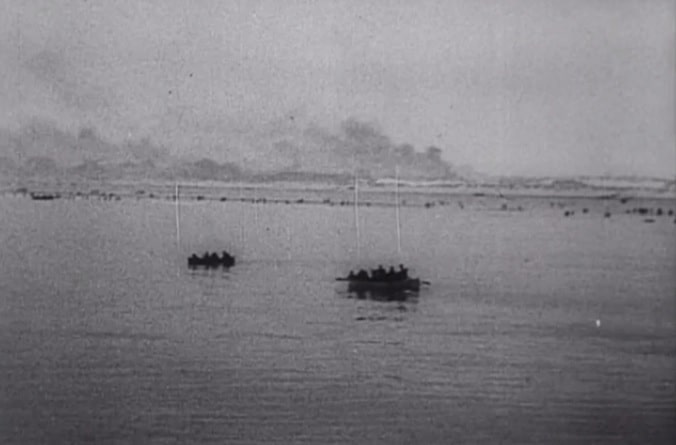
John added: “They were out there all that time under fire. They were credited with taking 2800 troops off the beaches and getting them to the larger ships and in their final journey they also filled up the lifeboat with troops to come back to Ramsgate.
“You can only be amazed at what they went through – and survived thank goodness.”
The RNLI was recently awarded a grant from The National Lottery Heritage Fund to research and share stories of courage from the Second World War. The project, called RNLI 1939-45: Stories of Courage explores and commemorates the charity’s Second World War story.
Hayley Whiting, RNLI Heritage Archive and Research Manager, said: “As we mark the 80th anniversary of VE Day, it’s an important time to reflect on the valiant work of our volunteer crews during the Second World War and the courage and determination they used to save lives at sea.
“The RNLI has a rich history and has been saving lives at sea for over 200 years, it played a vital role in the Second World War and saved a total of 6,376 lives. We know there are more stories from the Second World War connected to the RNLI that are yet to be discovered, we want to find them now before it’s too late.”
Stuart McLeod, Director of England – London & South at The National Lottery Heritage Fund, said: “We’re proud to be supporting this important RNLI project to mark the 80th anniversary of VE Day, thanks to National Lottery players. Collecting these stories of courage and heroism will not only mean that they are safeguarded for the future but that they can be heard for generations to come.”
The RNLI was awarded a grant from The National Lottery Heritage Fund to research and share stories of courage from the Second World War. The project, called RNLI 1939-45: Stories of Courage explores, commemorates the charity’s Second World War story.
Please email [email protected] if you have a story you would like to share.
