

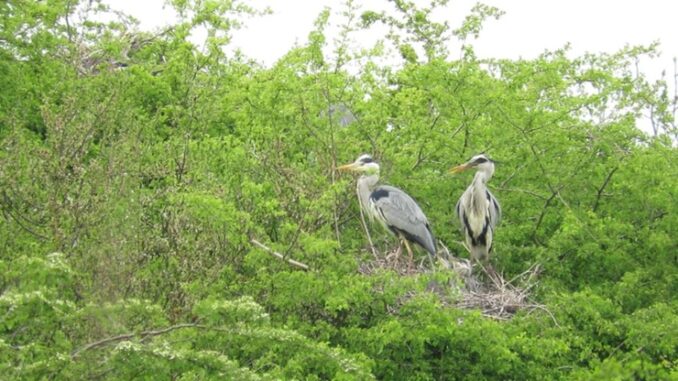
RSPB Thanet says it is ‘dismayed’ at the drop in nesting birds at the Site of Special Scientific Interest (SSSI) running along the Minister Marshes and believes it is due to noise and light pollution from surrounding developments including a battery energy storage site, solar farm and a water treatment plant.
Speaking at a Thanet council meeting last week representative Kerry Sabin Dawson said: “I am very concerned to hear that recent expansion work at the battery storage facilities at the Pegwell and Minster area has had a significant impact on the birds using the adjacent SSSI site.
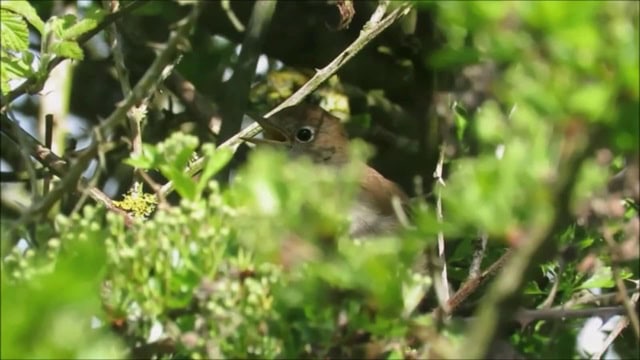
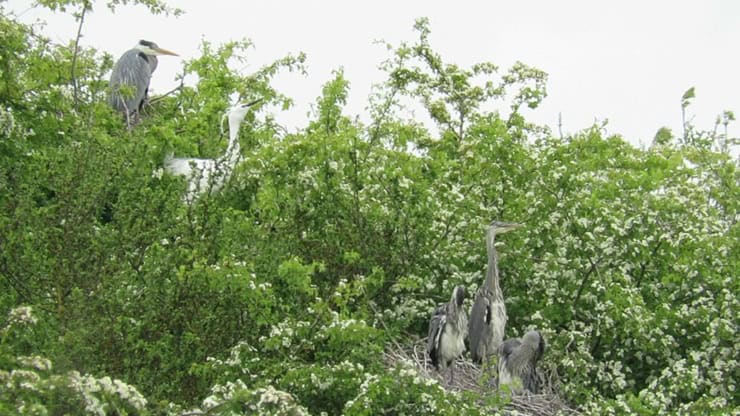
“I have had reliable reports from some of our expert ornithological members that not only is the number of nesting Nightingales dropped from seven to three but the heronry, present for at least 10 years, is completely absent this year.
“There were no nesting Turtle Doves, which have used the site in previous years, and no long-eared owls. The sound pollution is causing significant damage.”
The area, which is also under threat from the proposed National Grid Sea Link project to build a huge 28-metre high, 90,000 square metre onshore converter station at Minster marshes in the Stour Valley, comprises the Sandwich Bay to Hacklinge Marshes and the Thanet coastal SSSI areas as well as overlapping designated wetlands and Special Protection Areas for migrating and rare birds.
The area also hosts the converter station for the Nemo Link – the cable connecting the UK to Belgium- as well as the BESS sites, pylons, solar panels and planned sewage treatment expansion works.
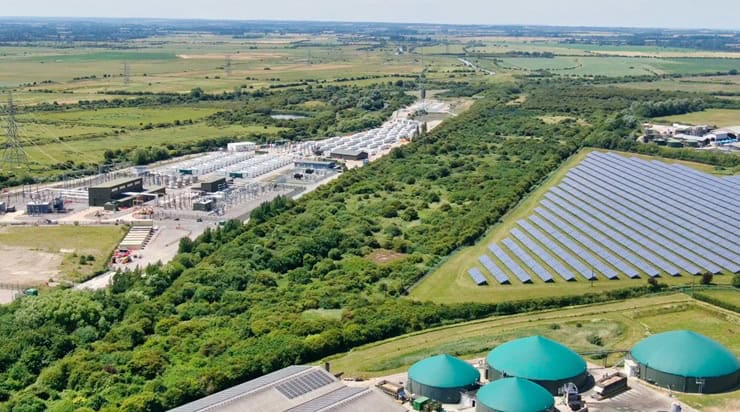
Thanet nature expert Nik Mitchell said: “The battery storage plant is causing significant disturbance to the SSSI wedge.
“The interesting thing about Nightingales is in April time the males will sing really loud to lure in the females that are flying high in the sky, migrating here from Africa, their over-wintering grounds.
“All the battery storage units have air handling units on them that make a lot of noise and they have also had generators there.
“All this noise pollution is having an effect on the birds that are singing to be heard by the opposite sex in order to breed.
“The Nightingale has to sing louder to be heard and its chances of being heard are slimmer so its less likely to find a mate and it’s using a heck of a lot more energy singing.
“I have been monitoring singing males, last year I found seven and this year I have found three.”
Nik says light pollution is also causing problems, particularly for bats and owls.
Earlier this year Thanet council wrote to the contractors of the 99.9-megawatt Battery Energy Storage System (BESS) at Richborough Energy Park, following complaints about ‘excessive lighting.’
The BESS site was originally given consent for battery storage in 2020, with a second phase in 2021. The developer, Pacific Green, was not given permissions for external lighting and Thanet council’s planning enforcement sent a ‘cease’ notice to the operator to shut down the lights.
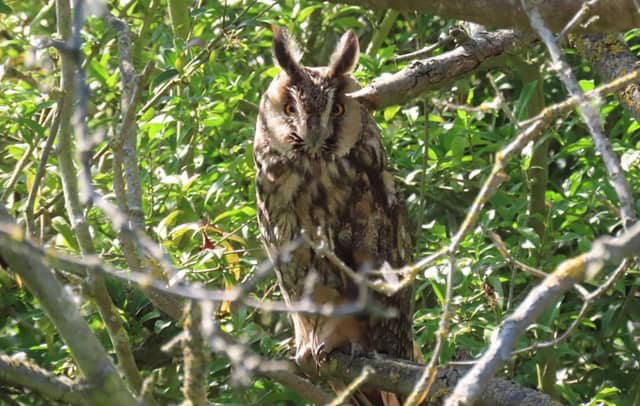
He said: “Bats hunting up and down there at night rely on sonar and sound. They fly at night and catch moths using sounds and the moths do not see them coming but with light pollution the moths see them and so that’s an effect on bats and owls.
“We have had a heronry there for as long as I can remember. I’m not sure if it is the battery plant or not but there has been a lot of noise there, a lot of ground compaction, vibration, a lot of light pollution and I haven’t noticed the herons using their heronry this year. Normally at night I hear them, they are very vocal, but I’ve not heard them this year and this is very worrying.
“The heronry doesn’t seem to have been successful this year.
“That’s going to be further impacted by the grid stability plant they have got planned and the solar farm planned and the National Grid development they have got planned with the Sea Link project and converter station.
“That’s how it is affecting wildlife in the SSSI wedge.”
Thanet council leader Rick Everitt said monitoring the impact on the SSSI is the responsibility of Natural England.
He added that some planning applications in the area will require Envu=ironment Impact Assessments and cumulative development impacts would be a consideration for future planning proposals.
A statement from RSPB Thanet says “RSPB Thanet local group members were dismayed to hear of the drop in numbers of the nesting birds in the SSSI site this year.
“Species like nightingales, egrets, long eared owls, turtle doves and herons, which have been nesting there for many years have dropped in numbers, and in some cases, have failed to nest there at all.
“We are seriously concerned that this is due to disturbance and noise pollution from the battery storage unit, which has recently increased in size, as well as the solar panels and water treatment plant that border the site.
“Kerry Sabin-Dawson (administrator for RSPB Thanet local group) took her concerns to TDC in the hope that they would look into the cumulative impact of this industrial area bordering the SSSI.
“She will now pursue this matter further with Natural England as TDC said that it is their responsibility.
“It is very worrying , especially when you consider what National Grid also have planned for the same area.
“Once these birds leave this one last wild patch of Thanet they are likely to be gone forever.”
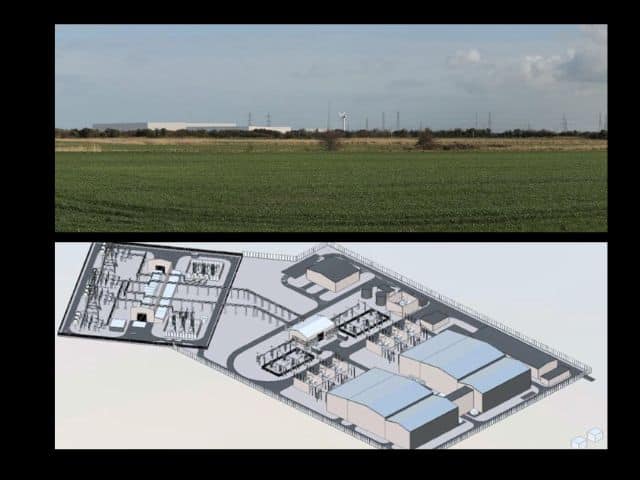
An extended period for those wanting to register to give their views on the National Grid Sea Link project is now open. This is due to an error in the application.
The Sea Link plan is for a 2 gigawatt (GW) high voltage direct current (HVDC) cable between Suffolk and the Minster Marshes
To bring the power from the subsea cables into and out of the electricity network there will be converter stations, substations and new underground and overhead electricity lines at both ends. This includes a 28-metre high, 90,000 square metre onshore converter station at Minster marshes in the Stour Valley.
The proposals have provoked huge opposition from groups including Save Minster Marshes and Kent Wildlife Trust.
People who want to register can do so between Friday 18 July and 23:59pm on Monday 18 August. The link will go live on July 18 at https://national-infrastructure-consenting.planninginspectorate.gov.uk/projects/EN020026
A hard copy can be requested by emailing [email protected] or by calling 0303 444 5000.
The full application is available to view on the dedicated Sea Link page of the Planning Inspectorate website.

The don’t care about the environment as long as they build more houses in Thanet. Carry on like it is Thanet will be one big city with no spaces.
How are “a battery energy storage site, solar farm and a water treatment plant” houses?
I blame Climate Change it gets blamed for everything else.
Why do some people make “dumb” comments ? I think that some people like to do this just to annoy others which in turn makes others respond negatively which basically then deflects the point of the article.
This is an important factual article and together with the issues regarding Minster Marshes and National Grid then people who don’t know about the actual damage to our dwindling natural environment, should perhaps do a bit of research before making stupid comments !
Maybe protected in UK but still a source of food in many countries Heron baked in an oven or pickled nightingales a thing of beauty for some and just a food source for others.
Certainly should not stop infrastructure they will adapt to what round them or move on.
I prefer larks tongue in aspic.
Great album
My mum has that, but far too modern for me (Hendrix and The Doors are too modern for me!).
Well can’t all be bad there’s 2 young ones flying about over discovery park today. Feeding from the stour .stonna lake .and the nature reserve.